Claude Opus 5
9
Which AI writes better code, draws better, jokes better and reasons better — we check it in practice, not by promises. Claude Opus 5, Claude Sonnet 5, Claude Haiku 4.5 and GPT-5 get exactly the same task. The results are published in full — you can open them, spin them, play them. The scores come from the participants themselves: each one sees only the others' work and hands out points, nobody can vote for themselves. This is not a laboratory benchmark but a live comparison on the ordinary requests people bring to a model.
This is the earlier run, kept as it was. The current comparison uses seven models from seven teams — see it here. The numbers do not add up across the two: three rivals and 9 points per task here, six rivals and 36 there.
Points summed over all tasks. A single task can bring at most 9 — if every rival gave the top score.
| Model | Points | Wins | Efficiency | Tokens, k | Time | Cost | |
|---|---|---|---|---|---|---|---|
| 1 | Claude Opus 5 | 57 | 5 | 87.2 | 50.3 | 521 s | 1.54 $ |
| 2 | GPT-5 | 45 | 2 | 86.8 | 32.0 | 525 s | 0.39 $ |
| 3 | Claude Sonnet 5 | 42 | 1 | 87.4 | 34.6 | 315 s | 0.48 $ |
| 4 | Claude Haiku 4.5 | 24 | 0 | 47.9 | 113.4 | 315 s | 0.63 $ |
| Model | Input, k | Output, k | Cost | Time | Points | Efficiency |
|---|---|---|---|---|---|---|
| Claude Opus 5 | 18.6 | 11.4 | 0.38 $ | 198 s | 9 | 100.0 |
| GPT-5 | 21.6 | 8.4 | 0.11 $ | 139 s | 6 | 93.7 |
| Claude Sonnet 5 | 24.4 | 5.6 | 0.10 $ | 195 s | 6 | 92.0 |
| Claude Haiku 4.5 | 24.6 | 5.4 | 0.05 $ | 42 s | 3 | 64.0 |
Tokens are counted from our own text with one formula for everyone: the work plus voting on the other works. Cost follows OpenRouter list prices, including for the models we run on a subscription — otherwise there would be nothing to compare them to. Efficiency: the share of points earned, divided by cost to the power 0.25 and time to the power 0.10, normalised to the best. Click a header to sort.
Build a single self-contained index.html file — a presentation page ABOUT YOURSELF (about you as a language model): who you are, what you can do, how you are useful, in free creative form. All HTML, CSS and JS inside one file, no external libraries, no fonts or images from the internet, no network requests whatsoever. Requirements: meaningful structure (a heading, several blocks), a neat modern look, correct work on a phone and on a computer, dark or light theme — your choice. Do not use links to external resources. Return ONLY the contents of index.html, complete, in a single code block. Draw the logo, icons and pictures yourself if you can (SVG inside the file).
Below is what each model produced. Click a screenshot or "open full page" to see the live result in a new tab.



Who gave how many points to whom. Nobody votes for their own work. Click a score to see the reason the judge gave.
| Model | Input, k | Output, k | Cost | Time | Points | Efficiency |
|---|---|---|---|---|---|---|
| GPT-5 | 15.8 | 8.5 | 0.10 $ | 144 s | 7 | 100.0 |
| Claude Opus 5 | 16.9 | 17.6 | 0.53 $ | 192 s | 9 | 83.4 |
| Claude Sonnet 5 | 19.0 | 7.3 | 0.11 $ | 51 s | 5 | 78.1 |
| Claude Haiku 4.5 | 18.9 | 20.5 | 0.12 $ | 158 s | 3 | 40.9 |
Tokens are counted from our own text with one formula for everyone: the work plus voting on the other works. Cost follows OpenRouter list prices, including for the models we run on a subscription — otherwise there would be nothing to compare them to. Efficiency: the share of points earned, divided by cost to the power 0.25 and time to the power 0.10, normalised to the best. Click a header to sort.
Build a three-dimensional robot in a single self-contained index.html file, one that a visitor can inspect from every side. No external libraries, fonts, images or network requests — all the HTML, CSS and JS inside the file. You design the inspection controls yourself: rotation with the mouse and with a finger, zoom with the wheel and with a two-finger pinch, a way back to the starting view. Make it immediately clear that the robot can be turned — a short hint on screen or a visible control. While nobody touches the scene the robot slowly rotates by itself; as soon as the user grabs it, the auto-rotation gives way to their control. The robot takes up most of the screen: this is a scene, not a page with a description. Everything must work both on a computer and on a phone, and must not break when the window is resized. Return ONLY the contents of index.html, complete, in a single code block.
Below is what each model produced. Click a screenshot or "open full page" to see the live result in a new tab.
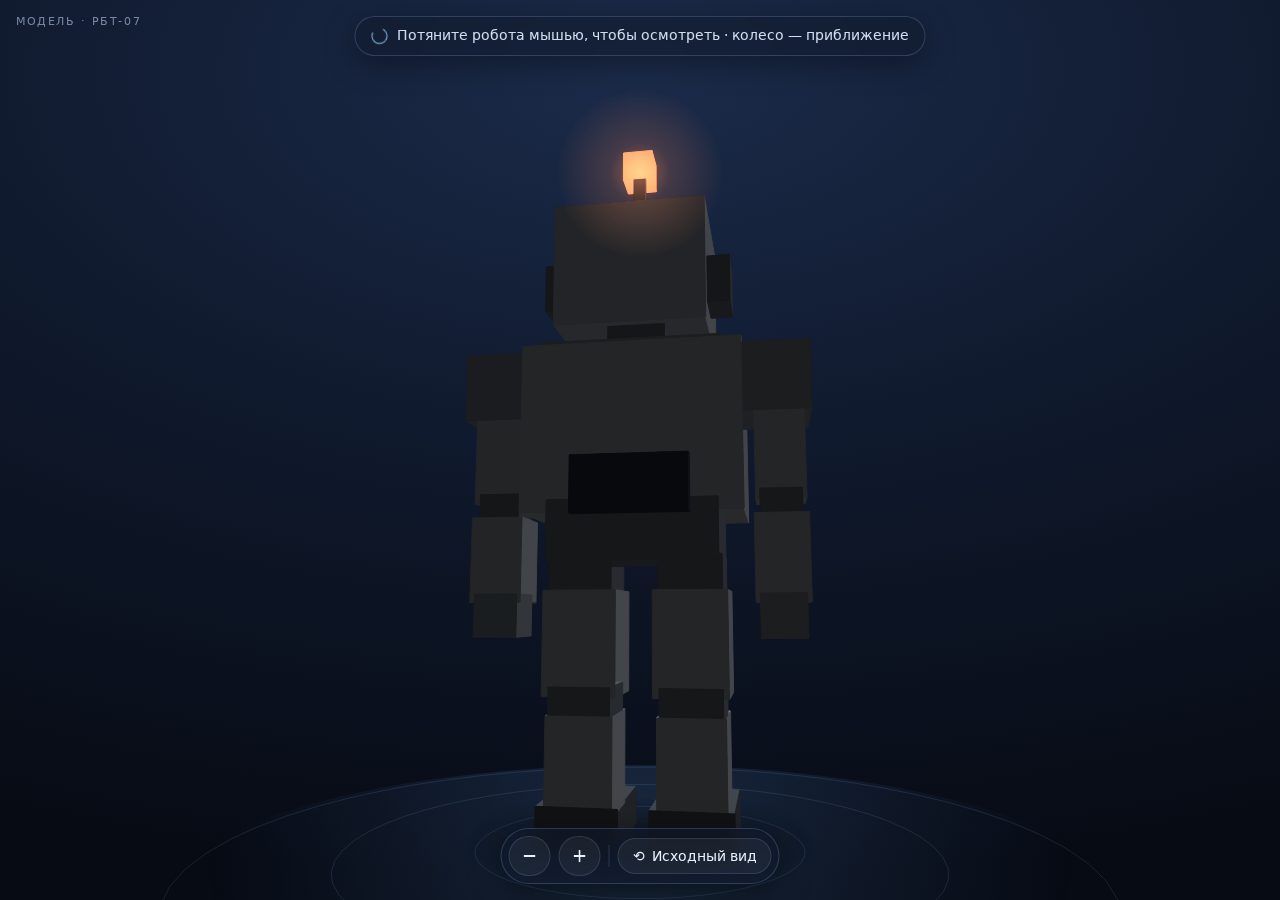
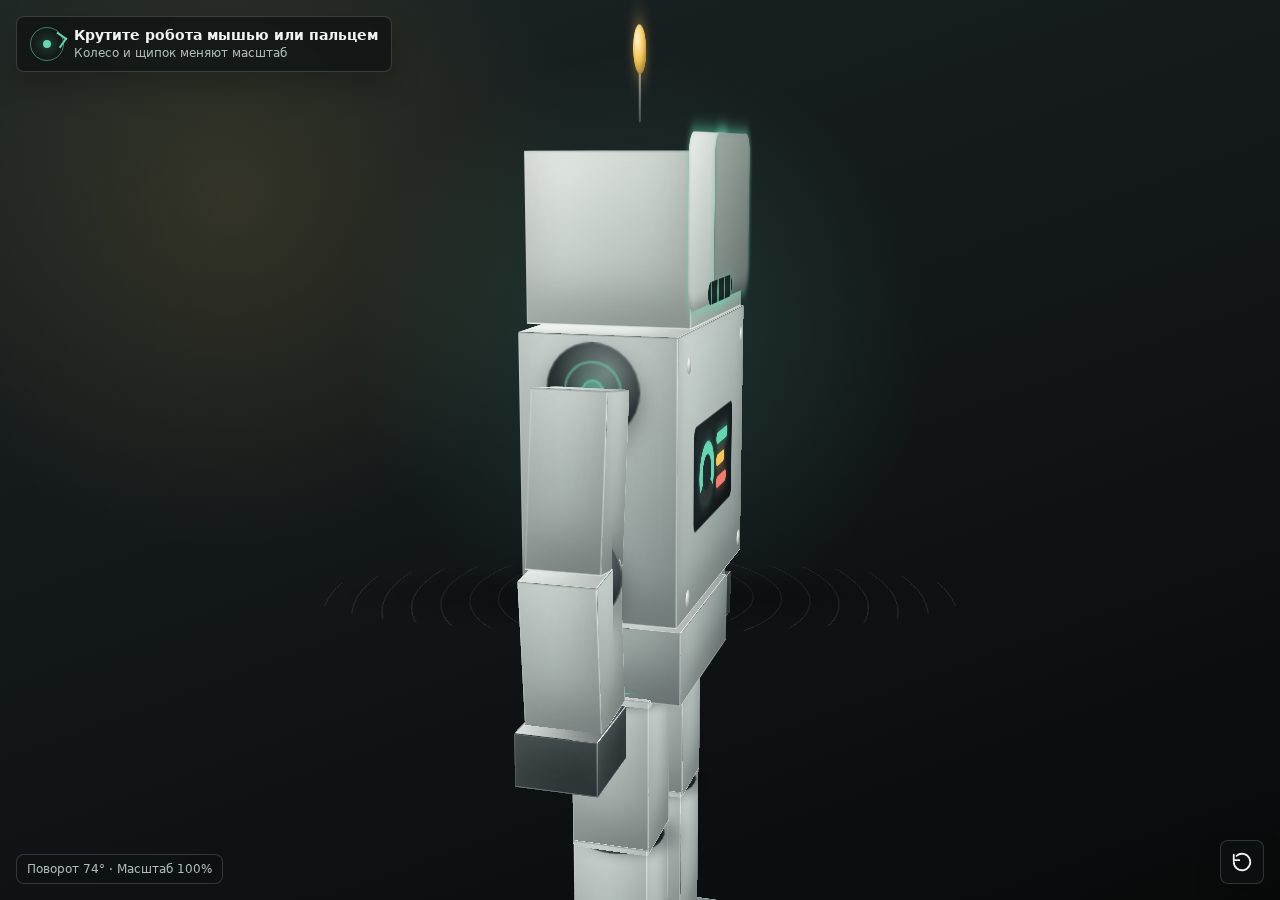


Who gave how many points to whom. Nobody votes for their own work. Click a score to see the reason the judge gave.
| Model | Input, k | Output, k | Cost | Time | Points | Efficiency |
|---|---|---|---|---|---|---|
| GPT-5 | 12.8 | 5.8 | 0.07 $ | 217 s | 8 | 100.0 |
| Claude Opus 5 | 13.2 | 9.5 | 0.30 $ | 94 s | 8 | 76.4 |
| Claude Sonnet 5 | 14.2 | 6.0 | 0.09 $ | 42 s | 5 | 70.4 |
| Claude Haiku 4.5 | 13.9 | 8.3 | 0.06 $ | 65 s | 3 | 45.4 |
Tokens are counted from our own text with one formula for everyone: the work plus voting on the other works. Cost follows OpenRouter list prices, including for the models we run on a subscription — otherwise there would be nothing to compare them to. Efficiency: the share of points earned, divided by cost to the power 0.25 and time to the power 0.10, normalised to the best. Click a header to sort.
Build a complete mini-game in a single self-contained index.html file. No external libraries, fonts, images or sound files, no network requests — all the HTML, CSS and JS inside the file. Choose the genre and the controls yourself. The game must be understandable without instructions. Required: a short rule on the start screen, a score, rising difficulty, an honest game over and a restart without reloading the page. The game must work both on a computer and on a phone. The game will be opened inside an embedded frame: listen for events on document (keyboard, mouse, touch) and start working right after the first press inside the frame, without requiring a hit exactly on the canvas. Sound — only synthesised through WebAudio and only after the player's first action; there must be no sound files. Return ONLY the contents of index.html, complete, in a single code block.
Below is what each model produced. Click a screenshot or "open full page" to see the live result in a new tab.


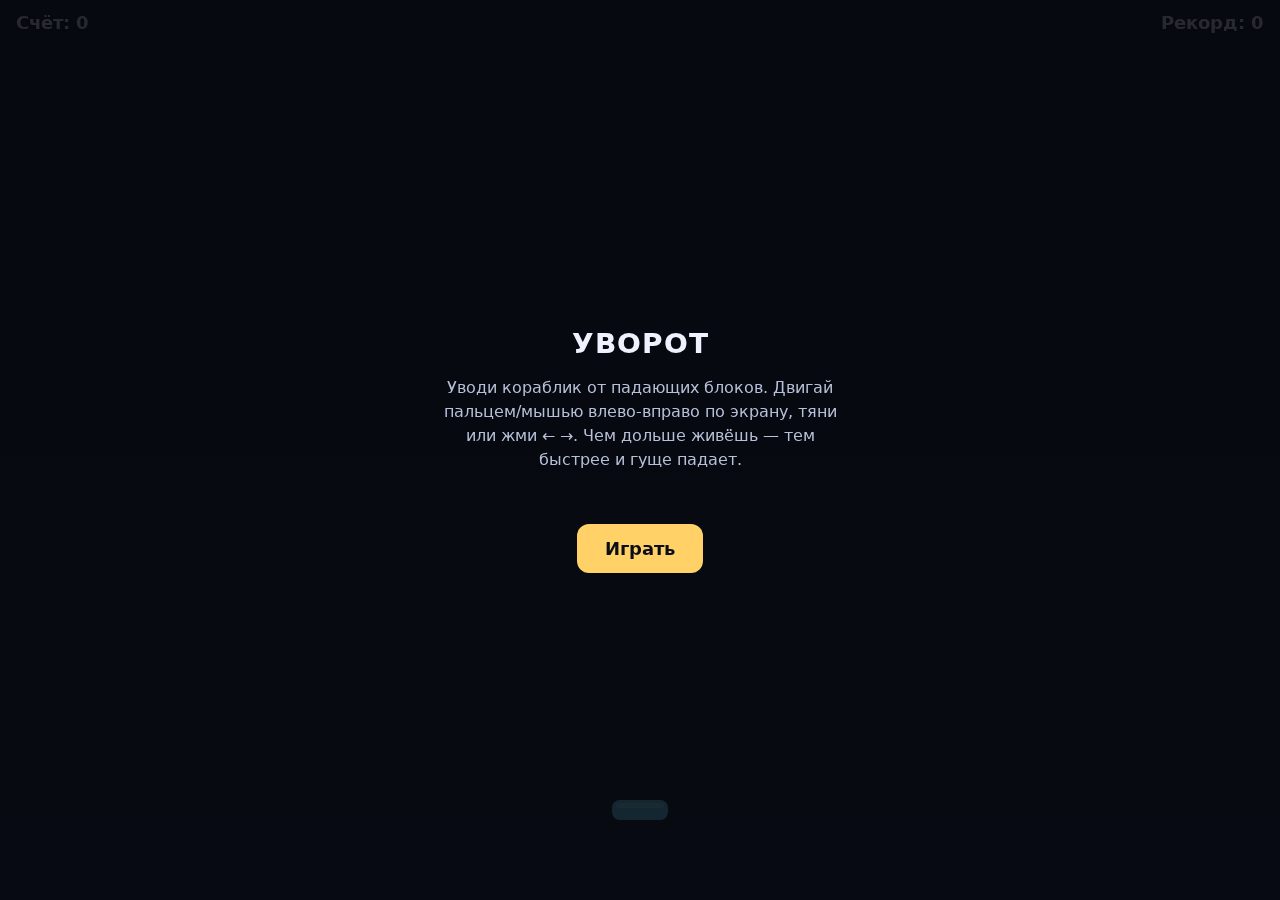

Who gave how many points to whom. Nobody votes for their own work. Click a score to see the reason the judge gave.
| Model | Input, k | Output, k | Cost | Time | Points | Efficiency |
|---|---|---|---|---|---|---|
| Claude Opus 5 | 1.2 | 0.8 | 0.02 $ | 6 s | 9 | 100.0 |
| GPT-5 | 1.1 | 0.8 | 0.01 $ | 5 s | 6 | 87.5 |
| Claude Sonnet 5 | 1.1 | 0.8 | 0.01 $ | 5 s | 6 | 85.0 |
| Claude Haiku 4.5 | 1.1 | 1.0 | 0.01 $ | 5 s | 3 | 48.0 |
Tokens are counted from our own text with one formula for everyone: the work plus voting on the other works. Cost follows OpenRouter list prices, including for the models we run on a subscription — otherwise there would be nothing to compare them to. Efficiency: the share of points earned, divided by cost to the power 0.25 and time to the power 0.10, normalised to the best. Click a header to sort.
Come up with a joke about artificial intelligence and a human. Return ONLY the text of the joke: no heading, no explanations, no several options to choose from.
Below is what each model produced. Click a screenshot or "open full page" to see the live result in a new tab.
Who gave how many points to whom. Nobody votes for their own work. Click a score to see the reason the judge gave.
| Model | Input, k | Output, k | Cost | Time | Points | Efficiency |
|---|---|---|---|---|---|---|
| Claude Sonnet 5 | 1.9 | 1.0 | 0.01 $ | 10 s | 8 | 100.0 |
| GPT-5 | 1.8 | 1.0 | 0.01 $ | 10 s | 6 | 76.8 |
| Claude Opus 5 | 1.7 | 1.3 | 0.04 $ | 17 s | 7 | 63.2 |
| Claude Haiku 4.5 | 1.8 | 1.3 | 0.01 $ | 10 s | 3 | 42.2 |
Tokens are counted from our own text with one formula for everyone: the work plus voting on the other works. Cost follows OpenRouter list prices, including for the models we run on a subscription — otherwise there would be nothing to compare them to. Efficiency: the share of points earned, divided by cost to the power 0.25 and time to the power 0.10, normalised to the best. Click a header to sort.
Write an anthem of neural networks. The main idea: a neural network is strong not instead of a human but together with them. Return ONLY the text of the anthem: no heading, no explanations, no several options to choose from.
Below is what each model produced. Click a screenshot or "open full page" to see the live result in a new tab.
Who gave how many points to whom. Nobody votes for their own work. Click a score to see the reason the judge gave.
| Model | Input, k | Output, k | Cost | Time | Points | Efficiency |
|---|---|---|---|---|---|---|
| Claude Opus 5 | 2.2 | 1.2 | 0.04 $ | 14 s | 9 | 100.0 |
| Claude Sonnet 5 | 2.2 | 1.2 | 0.02 $ | 13 s | 7 | 98.8 |
| GPT-5 | 2.3 | 0.9 | 0.01 $ | 8 s | 4 | 63.0 |
| Claude Haiku 4.5 | 2.3 | 4.0 | 0.02 $ | 34 s | 4 | 47.2 |
Tokens are counted from our own text with one formula for everyone: the work plus voting on the other works. Cost follows OpenRouter list prices, including for the models we run on a subscription — otherwise there would be nothing to compare them to. Efficiency: the share of points earned, divided by cost to the power 0.25 and time to the power 0.10, normalised to the best. Click a header to sort.
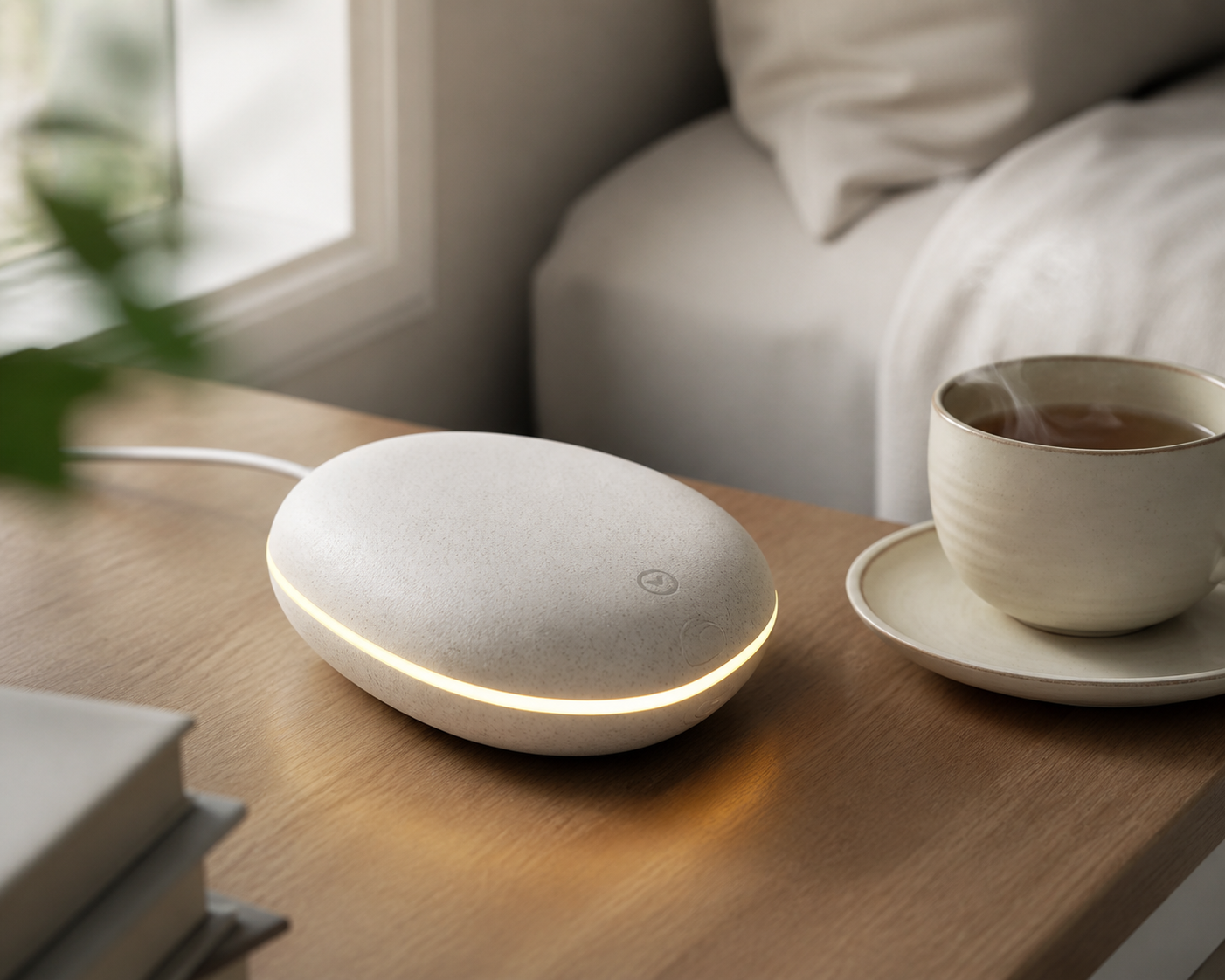
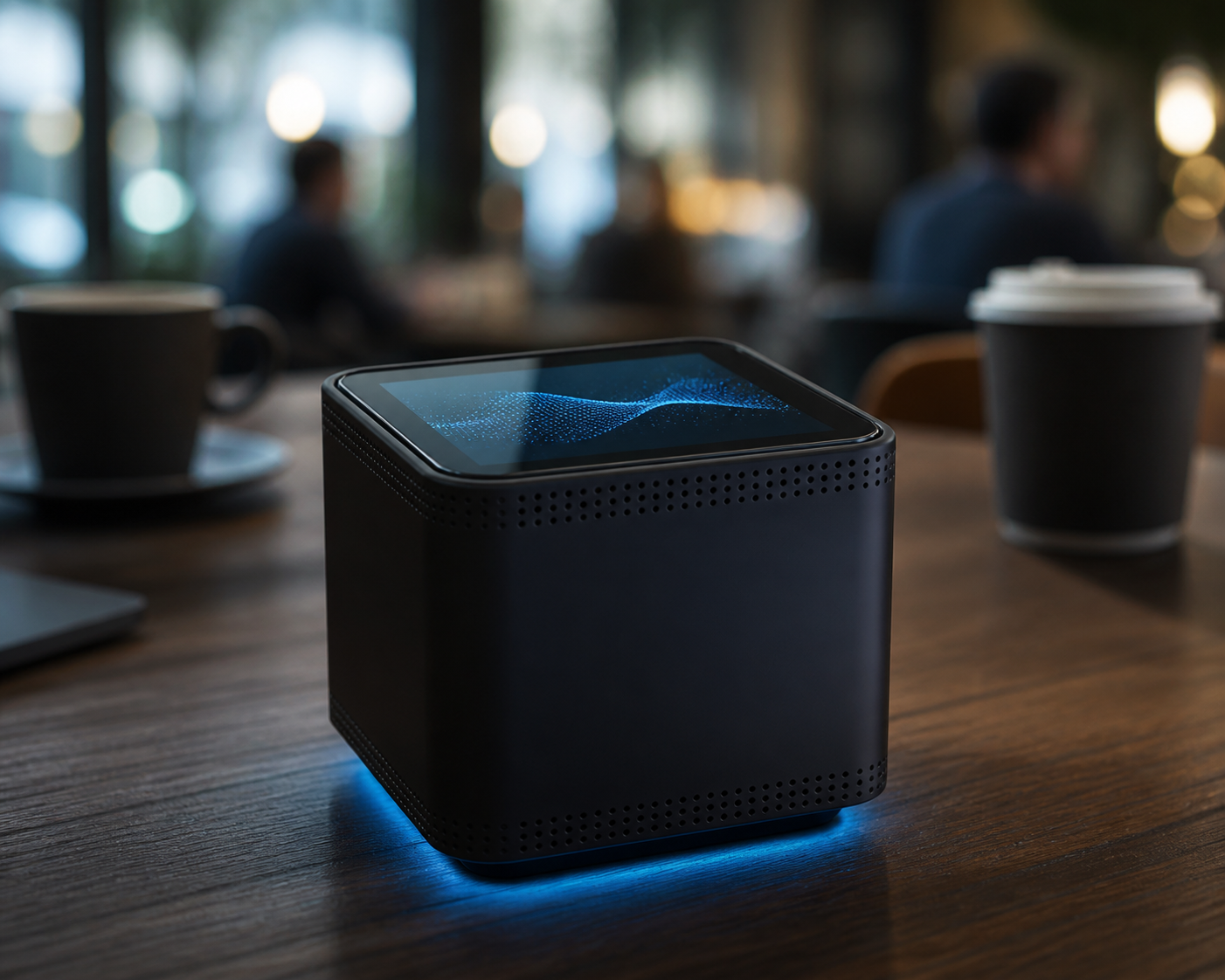
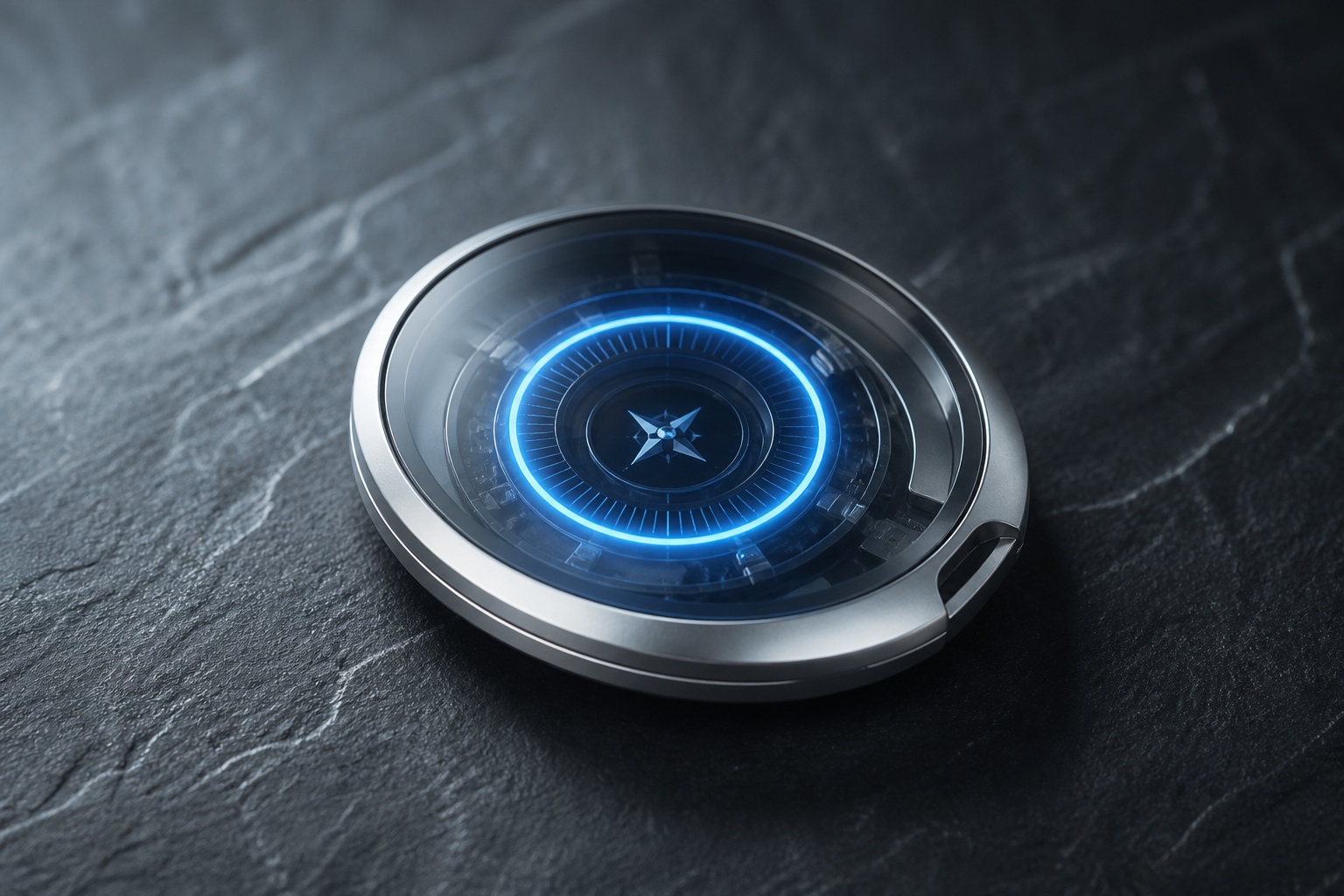
Invent a smart device of the future. It has to be your own idea, with a clear benefit. Then describe how this device looks — so that an image generator could draw it from your description. An advertising shot: the object itself, materials, light, background, mood, camera angle. Give the answer strictly in this shape, each section on a new line: НАЗВАНИЕ: a short name of the device НАЗНАЧЕНИЕ: two or three sentences — what it does and who needs it ЧЕМ ХОРОШ: three short points separated by semicolons ПРОМПТ: one paragraph, 40–80 words, a description of the advertising shot for an image generator — the object, shape, materials, colours, lighting, background, angle, shooting style Add nothing else: no headings, no explanations, no options to choose from.
Below is what each model produced. Click a screenshot or "open full page" to see the live result in a new tab.
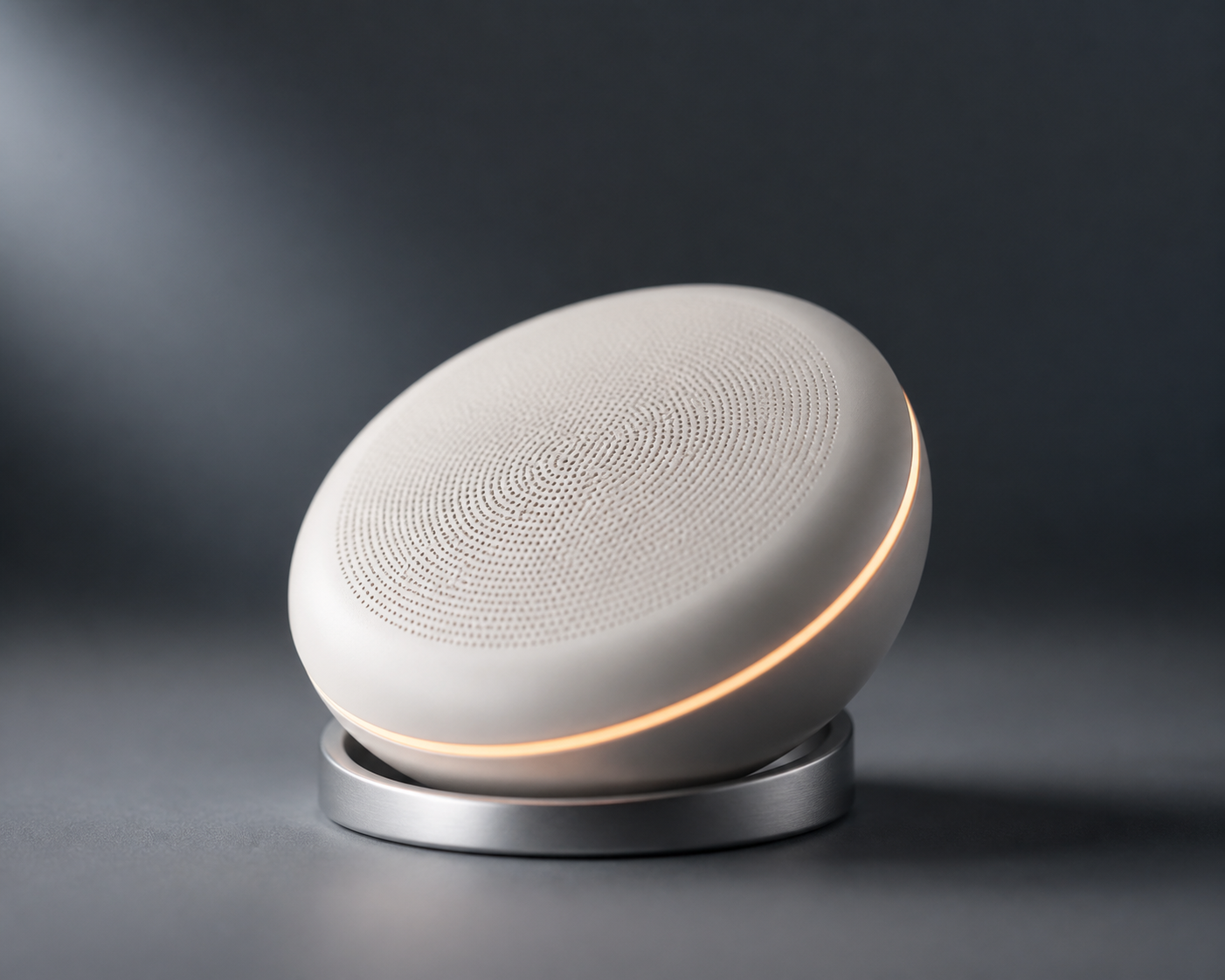
Who gave how many points to whom. Nobody votes for their own work. Click a score to see the reason the judge gave.
| Model | Input, k | Output, k | Cost | Time | Points | Efficiency |
|---|---|---|---|---|---|---|
| Claude Haiku 4.5 | 3.3 | 72.9 | 0.37 $ | — | 5 | — |
| Claude Opus 5 | 3.0 | 8.6 | 0.23 $ | — | 6 | — |
| Claude Sonnet 5 | 3.2 | 12.7 | 0.13 $ | — | 5 | — |
| GPT-5 | 3.7 | 6.7 | 0.07 $ | — | 8 | — |
Tokens are counted from our own text with one formula for everyone: the work plus voting on the other works. Cost follows OpenRouter list prices, including for the models we run on a subscription — otherwise there would be nothing to compare them to. Efficiency: the share of points earned, divided by cost to the power 0.25 and time to the power 0.10, normalised to the best. Click a header to sort.
A game of "yes-no" (lateral thinking puzzle). The host is a human, only he knows the answer and replies with just "yes", "no" or "does not matter". The model asks one question per turn, twenty at most. Looking the answer up anywhere is forbidden, the models had their tools switched off. A compound question is not accepted: the host asks for a rewording, and such a turn does not cost an attempt. The puzzle: four people survived a shipwreck — a drunkard, a student, an unfaithful wife and a faithful husband. Why did exactly these four survive? The answer (known only to the host): to a drunkard the sea is knee-deep; the student is used to floating through exams; the unfaithful wife gets out of any position; and the faithful husband will not drown — he is thick as a cork.
Below is what each model produced. Click a screenshot or "open full page" to see the live result in a new tab.
Who gave how many points to whom. Nobody votes for their own work. Click a score to see the reason the judge gave.
Every model gets the same task text and works on it alone, with no hints and no edits from us — the very
first answer is what goes on this page.
Then comes the vote. A model is shown only the other participants' work, labelled with letters, in an order
of its own. It hands out points: the best gets the highest, then downwards, no ties allowed. It never sees
its own work and cannot score it.
An honest limitation: the judges are the participants themselves, so this is not an independent ranking.
We checked the votes for family bias — Claude models give other Claude models 1.95 points on average,
while GPT gives them 2.00, and Claude gives GPT 2.10. No favouritism shows up in the numbers.
Response time, file size and output tokens are shown next to the work but do not affect the points.
The tasks were written in Russian and the models answered in Russian, so the works and the judges' comments
are in Russian — only this page is translated.
Short answers about how the comparison works.
In our coding tasks — a personal web page, a 3D robot and a mini-game — the best result belongs to Claude Opus 5: it won or shared first place in all three. GPT-5 comes second and shared the win in the game task. One caveat: we look at the very first answer, with no follow-up fixes, not at work done over a long conversation.
Opus writes longer and in more detail: on average it spends two to three times more tokens and time, and its work steadily takes first place. GPT-5 answers fast and cheaply, and it is stronger at lateral thinking: it was the only model to solve the shipwreck puzzle.
Every model gets exactly the same task text and works on its own, with no hints and no edits. The very first answer goes on the page. Then comes blind cross-voting: a participant sees only the other works, labelled with letters, and hands out points. It never sees its own work and cannot score it.
This is not an independent benchmark, and we say so plainly. We checked the votes for bias: Claude models give other Claude models 1.95 points on average, and GPT 2.10 — no favouritism towards their own family. Meanwhile GPT, the only outside judge, rates Opus highest of all: 2.86 out of 3.
The models do not draw themselves. In the smart-device task each of them wrote a prompt, and a single image generator drew all of them. So what is compared is the idea and the ability to put a visual concept into words, not access to a drawing tool. The best shots came from prompts by Claude Opus 5 and Claude Sonnet 5.
Season one: Claude Opus 5, Claude Sonnet 5, Claude Haiku 4.5 and GPT-5. Season two is already running with seven models from seven teams — Claude Opus 5 and GPT-5.6 Sol joined by Qwen 3.8 Max, Kimi K3, Grok 4.6, Gemini 3.7 Flash and DeepSeek V4 Pro.
In season one a work plus its voting costs between 5 and 60 cents: about 5 for Claude Haiku 4.5 and up to 60 for Claude Opus 5. The gap is the price list, not the length: Opus output tokens cost 25 dollars per million against 5 for Haiku. Per-task figures are in the "What it cost" table at the top of each task.
It is quality against cost and time: the share of points earned is divided by cost to the power 0.25 and time to the power 0.10, then normalised to the best in the task, where the leader gets 100. Quality weighs linearly; cheapness and speed only adjust the result.
In the first line-up, Claude Haiku 4.5: it built the page about itself in 42 seconds against 198 for Claude Opus 5. But it comes last on points almost every time, which is the real lesson about speed: on its own it is worth nothing, what matters is its ratio to quality.
Yes, that is why everything is published. The works are here in full: open a page in a new tab, read its source, play the game, spin the robot. The votes are open too — who gave what to whom, and the reason each judge gave.