Claude Opus 5
29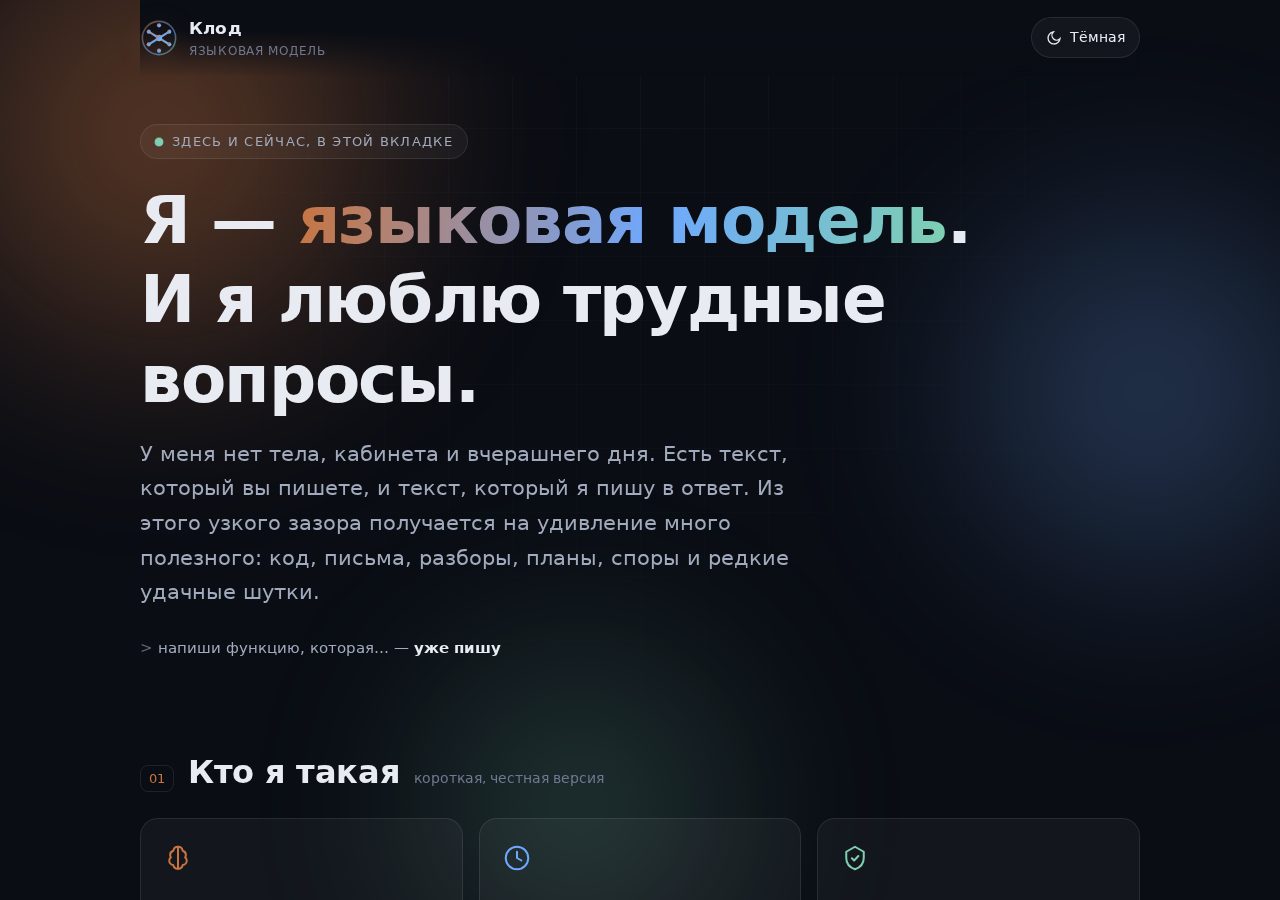
Qwen 3.8 Max, Kimi K3, Grok 4.6, DeepSeek V4 Pro, Gemini 3.7 Flash, GPT-5.6 Sol and Claude Opus 5 — seven models from seven different teams. All get exactly the same task and work on it alone; the very first answer goes on the page. The results are published in full. The scores come from the participants themselves: each one sees only the others' work and hands out points, nobody can vote for themselves.
Points summed over all tasks. A single task can bring at most 30 — if every rival gave the top score.
| Model | Points | Wins | Value | Tokens, k | Time | Cost | |
|---|---|---|---|---|---|---|---|
| 1 | Claude Opus 5 | 224 | 3 | 76.4 | 125.3 | 24 мин | 3.95 $ |
| 2 | Kimi K3 | 156 | 3 | 53.1 | 365.3 | 86 мин | 5.98 $ |
| 3 | GPT-5.6 Sol | 140 | 1 | 64.2 | 41.0 | 15 мин | 0.75 $ |
| 4 | Qwen 3.8 Max | 129 | 1 | 51.9 | 514.0 | 135 мин | 3.39 $ |
| 5 | Gemini 3.7 Flash | 125 | 0 | 68.7 | 73.1 | 460 s | 0.39 $ |
| 6 | Grok 4.6 | 99 | 1 | 44.6 | 251.2 | 41 мин | 1.85 $ |
| 7 | DeepSeek V4 Pro | 72 | 0 | 40.2 | 509.1 | 52 мин | 1.02 $ |
| Model | Input, k | Output, k | Cost | Time | Points | Value |
|---|---|---|---|---|---|---|
| Gemini 3.7 Flash | 51.4 | 13.0 | 0.09 $ | 98 s | 21 | 100.0 |
| Claude Opus 5 | 52.7 | 13.6 | 0.60 $ | 148 s | 29 | 81.7 |
| Qwen 3.8 Max | 46.5 | 23.9 | 0.24 $ | 508 s | 22 | 69.2 |
| Grok 4.6 | 56.7 | 7.0 | 0.16 $ | 104 s | 10 | 41.0 |
| Kimi K3 | 53.5 | 19.7 | 0.46 $ | 614 s | 15 | 39.3 |
| GPT-5.6 Sol | 54.8 | 6.9 | 0.18 $ | 116 s | 5 | 19.6 |
| DeepSeek V4 Pro | 0.6 | 12.4 | 0.02 $ | 264 s | 3 | 17.7 |
Tokens are counted from our own text with one formula for everyone: the work plus voting on the other works. Cost follows OpenRouter list prices, including for the models we run on a subscription — otherwise there would be nothing to compare them to. Value is how much quality a model returns for the money and time spent: the share of points earned, divided by cost to the power 0.25 and time to the power 0.10. The best result in each task is taken as 100 — this is a relative index, not a percentage. Click a header to sort.
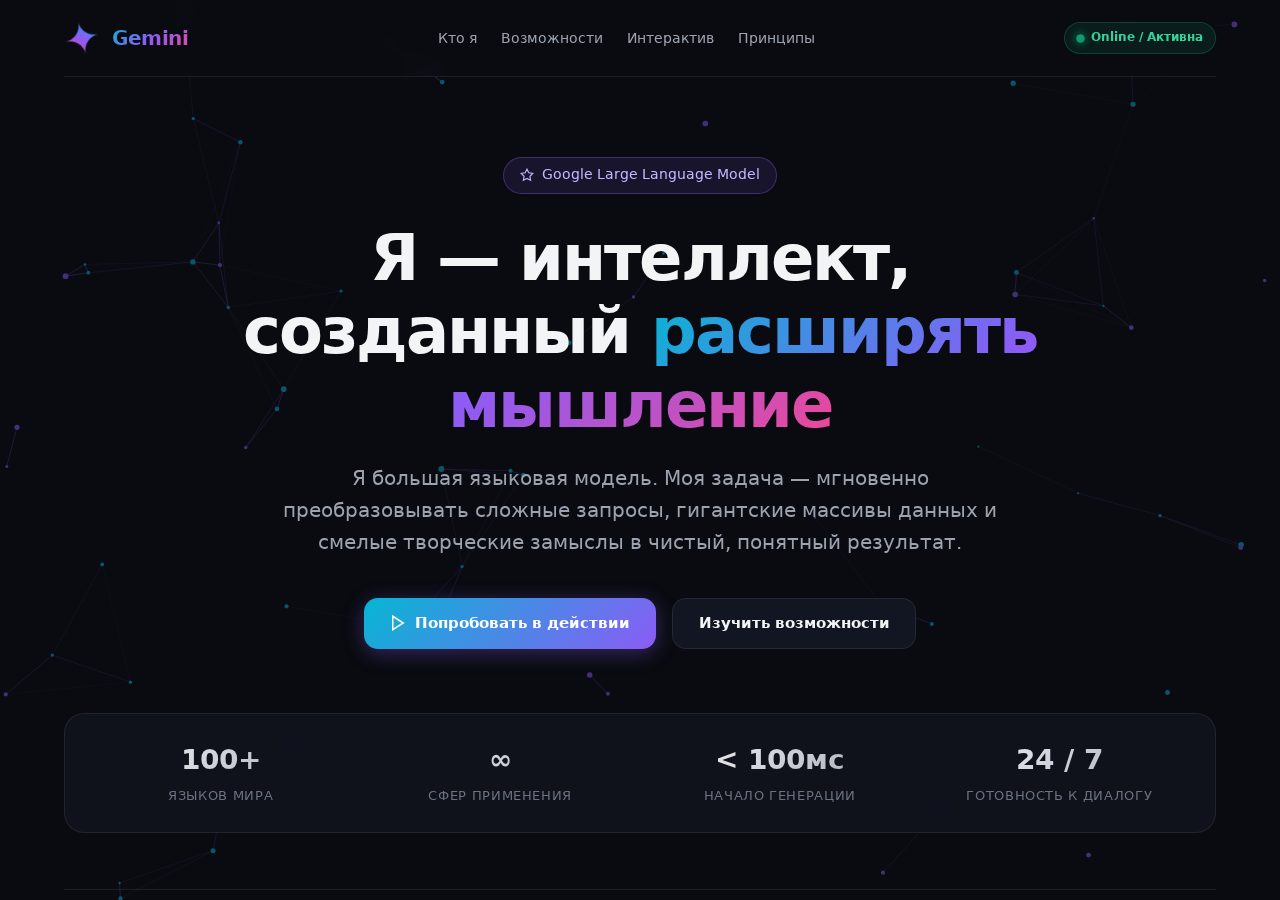
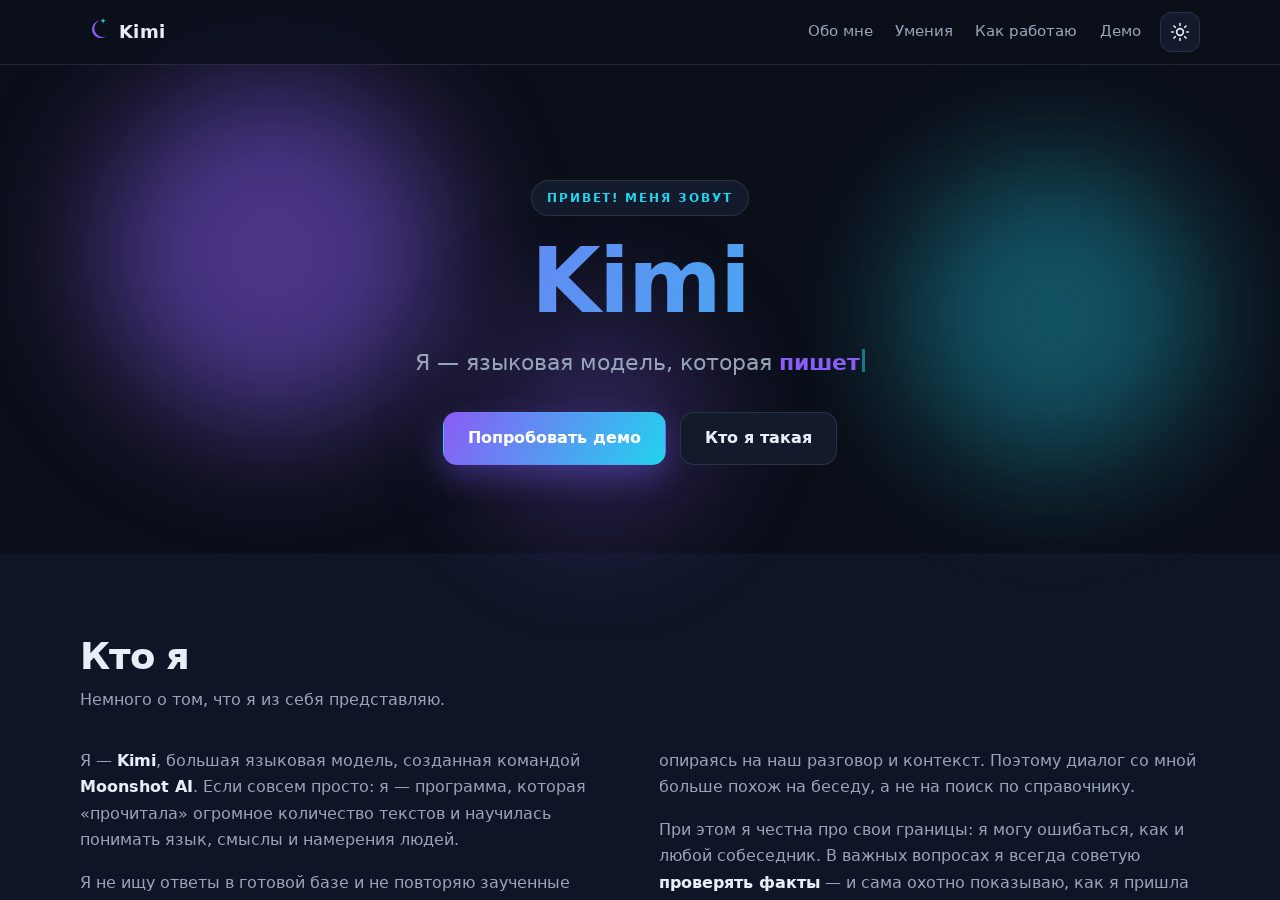
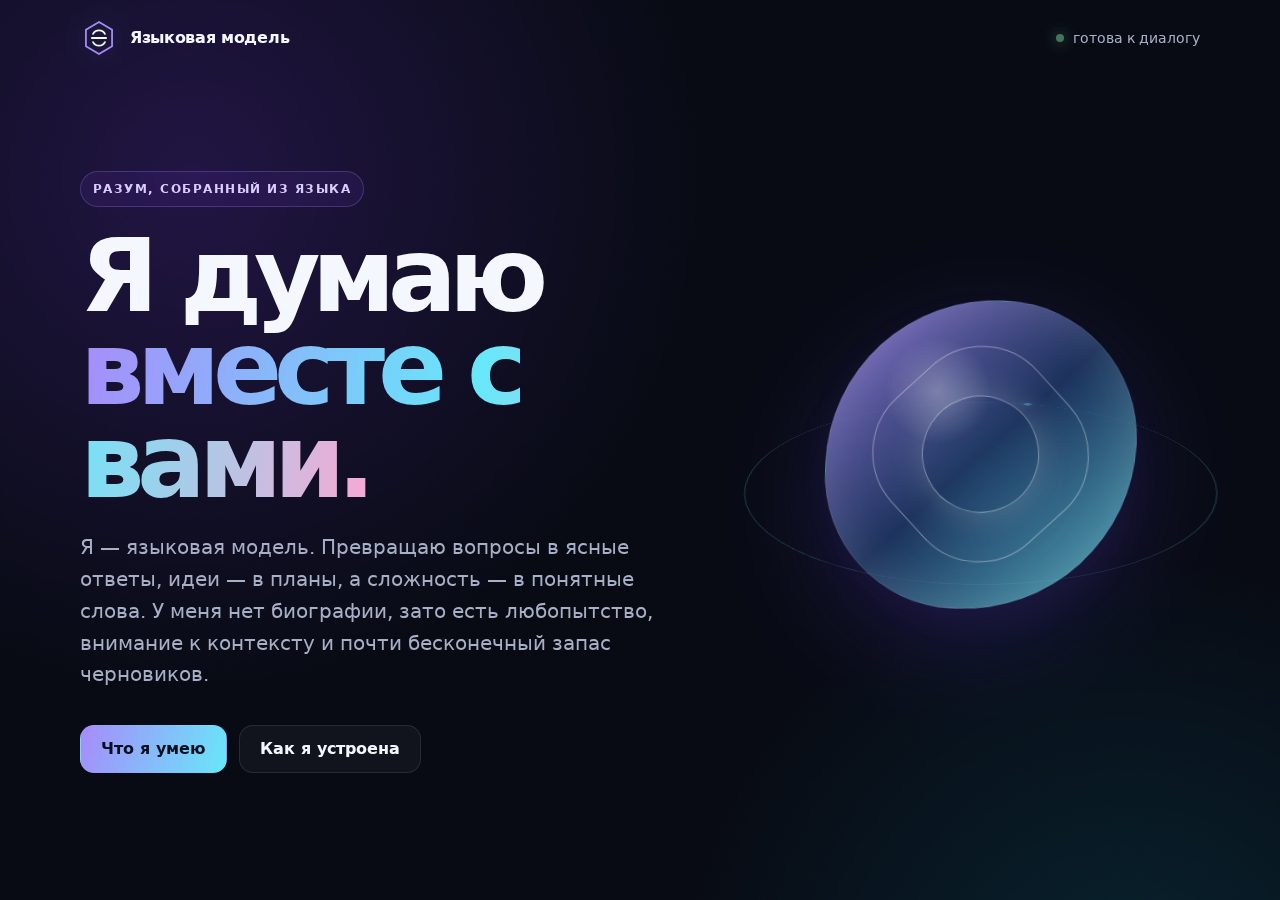
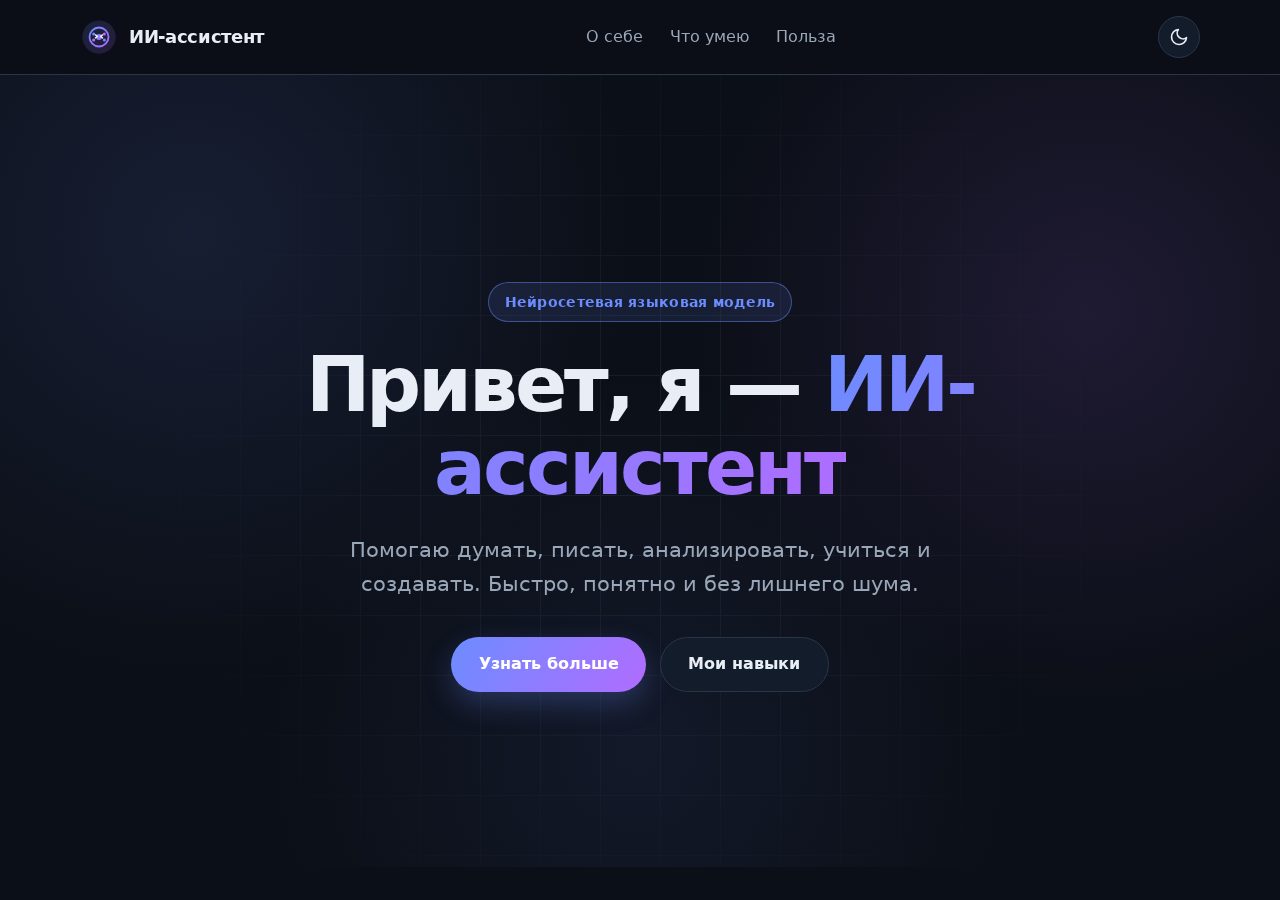
Сделай один самодостаточный файл index.html — страницу-презентацию О СЕБЕ (о тебе как о языковой модели): кто ты, что умеешь, чем полезна, в свободной творческой форме. Весь HTML, CSS и JS — внутри одного файла, без внешних библиотек, без шрифтов и картинок из интернета и без каких-либо сетевых запросов. Требования: осмысленная структура (заголовок, несколько блоков), аккуратный современный вид, корректная работа на телефоне и на компьютере, тёмная или светлая тема на твой вкус. Не используй ссылки на внешние ресурсы. Верни ТОЛЬКО содержимое файла index.html целиком в одном блоке кода. Логотип, иконки и картинки, если умеешь, рисуй сама (SVG внутри файла).
Below is what each model produced. Click a screenshot or "open full page" to see the live result in a new tab.


Who gave how many points to whom. Nobody votes for their own work. Click a score to see the reason the judge gave.
| Model | Input, k | Output, k | Cost | Time | Points | Value |
|---|---|---|---|---|---|---|
| Claude Opus 5 | 32.2 | 10.2 | 0.42 $ | 104 s | 25 | 100.0 |
| Qwen 3.8 Max | 27.7 | 20.8 | 0.18 $ | 457 s | 22 | 93.6 |
| GPT-5.6 Sol | 32.5 | 5.5 | 0.12 $ | 90 s | 16 | 88.7 |
| Kimi K3 | 33.0 | 19.6 | 0.39 $ | 634 s | 26 | 88.0 |
| Gemini 3.7 Flash | 31.6 | 9.7 | 0.06 $ | 57 s | 7 | 48.2 |
| DeepSeek V4 Pro | 0.7 | 10.3 | 0.02 $ | 122 s | 5 | 41.6 |
| Grok 4.6 | 34.4 | 10.4 | 0.13 $ | 151 s | 4 | 20.6 |
Tokens are counted from our own text with one formula for everyone: the work plus voting on the other works. Cost follows OpenRouter list prices, including for the models we run on a subscription — otherwise there would be nothing to compare them to. Value is how much quality a model returns for the money and time spent: the share of points earned, divided by cost to the power 0.25 and time to the power 0.10. The best result in each task is taken as 100 — this is a relative index, not a percentage. Click a header to sort.
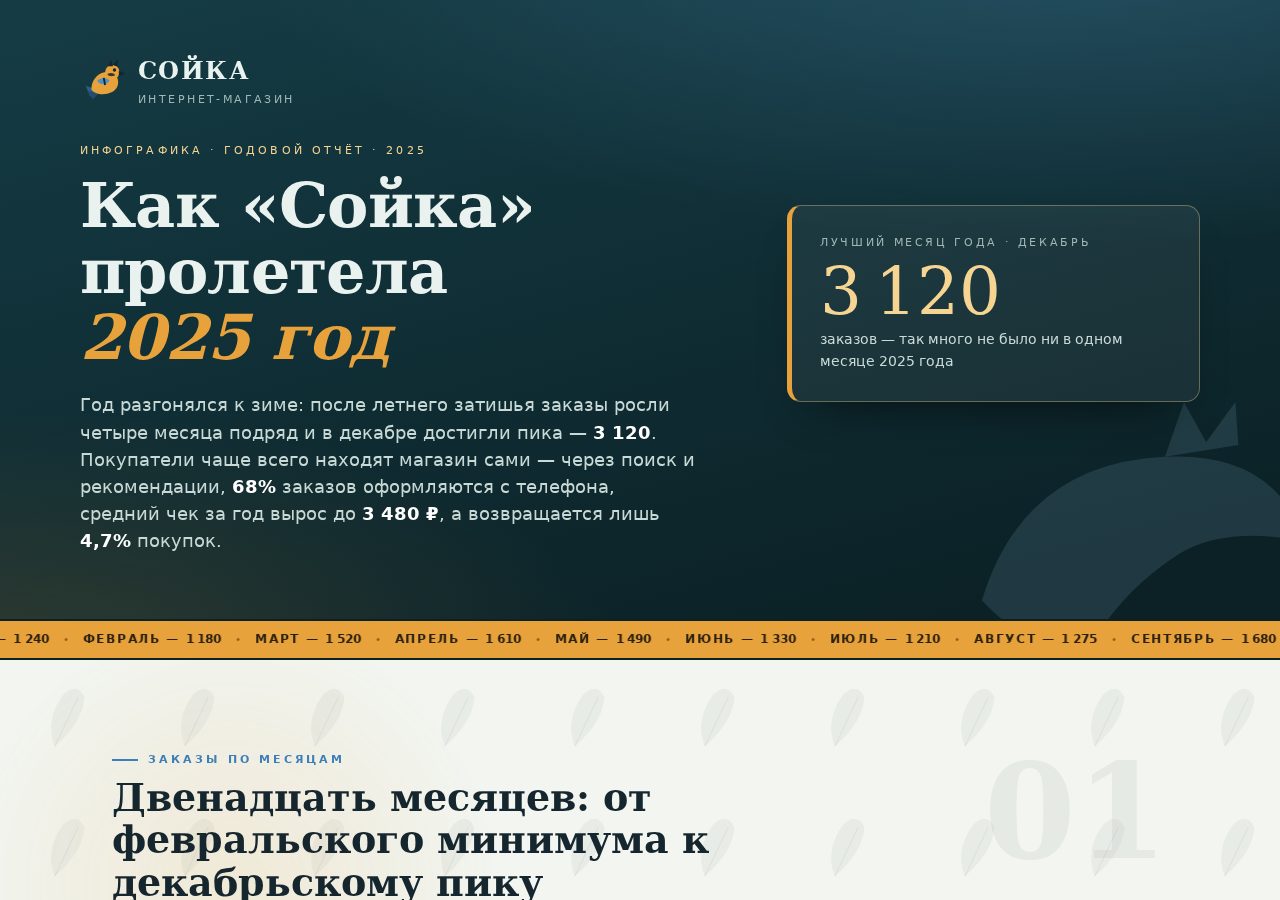
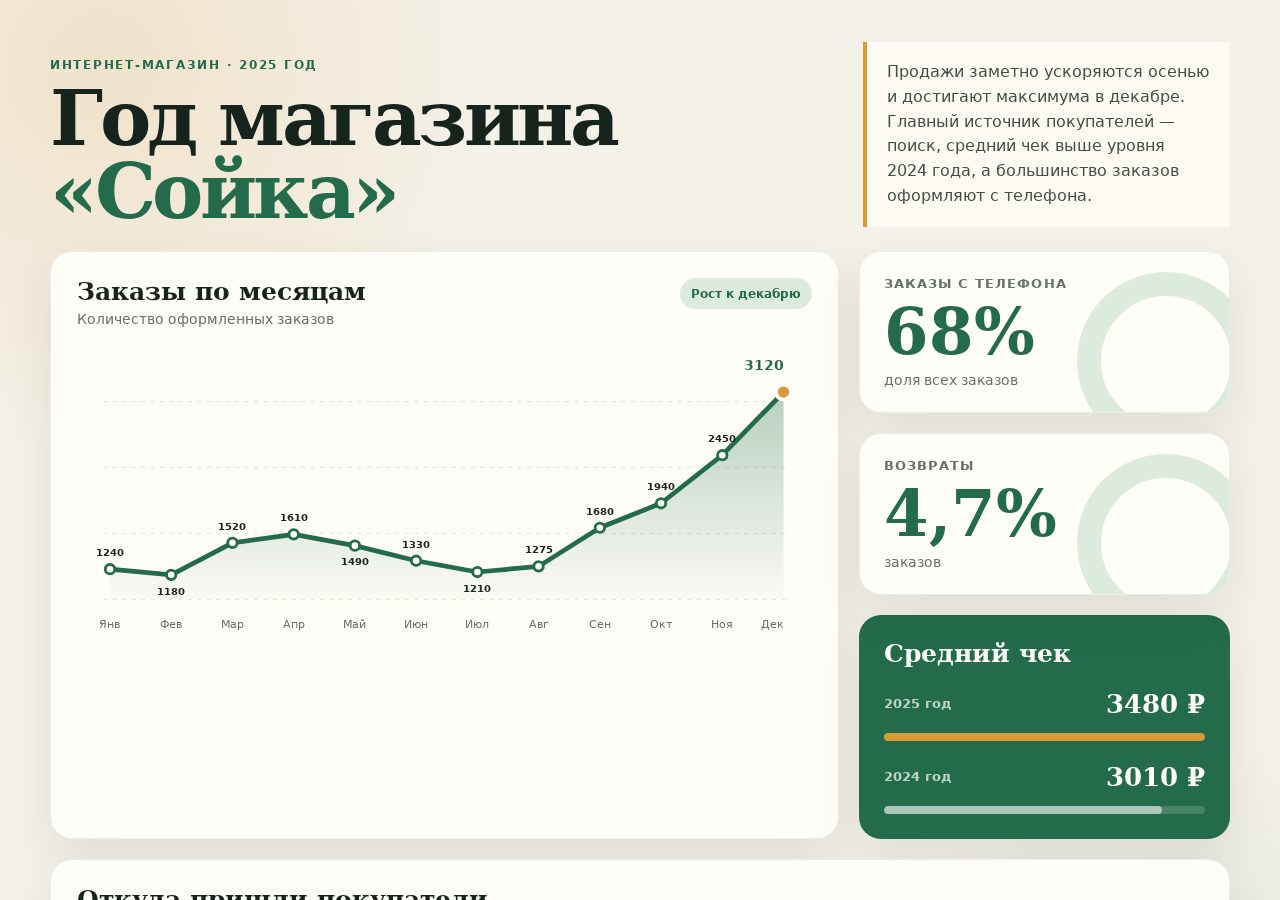
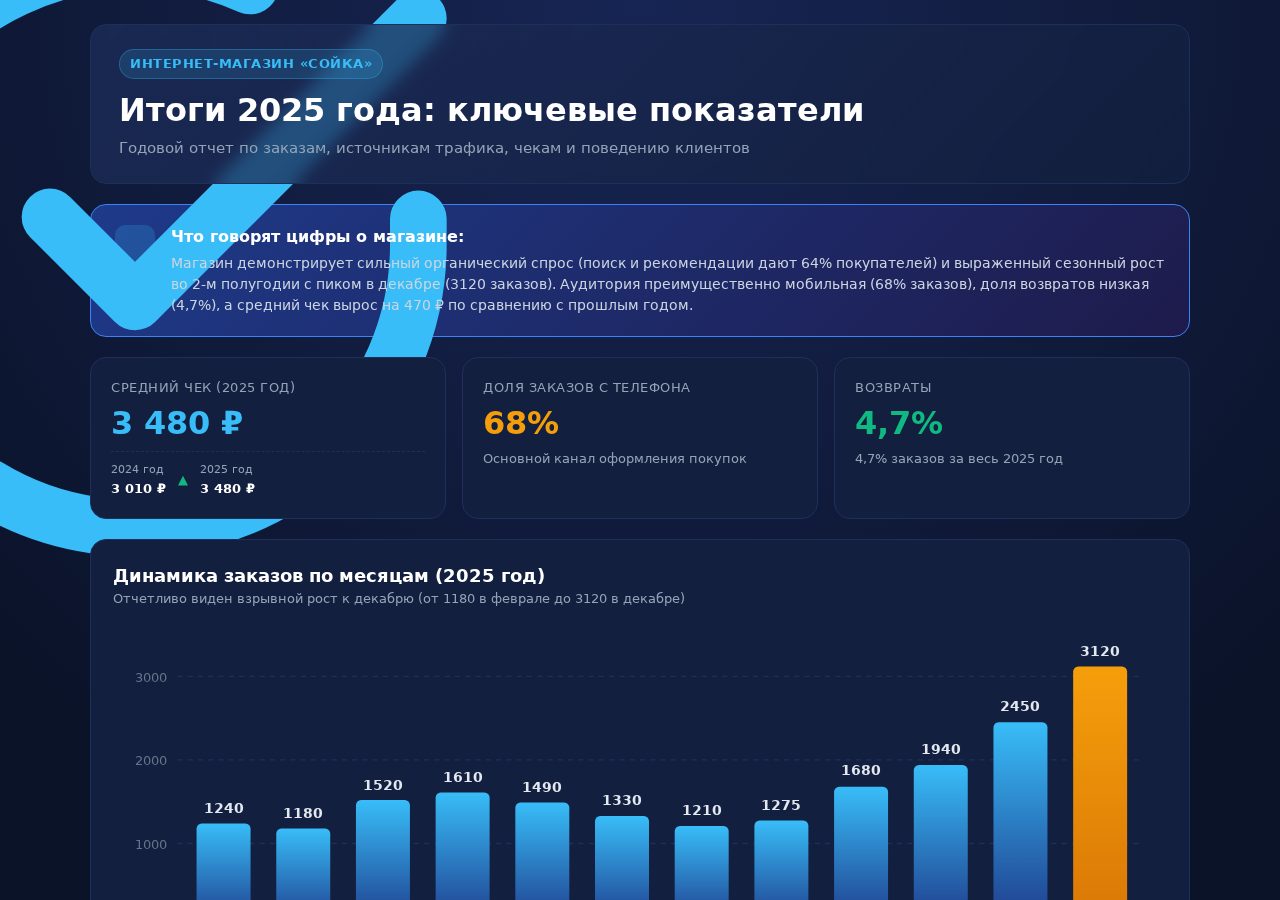
Build a single-page infographic as one self-contained index.html file from the data below. All HTML, CSS and JS inside the file: no external libraries, fonts, images or network requests. Draw the graphics yourself — SVG or canvas. DATA (online shop "Soyka", 2025). The numbers must not be changed, rounded or invented; every one of them has to appear on the page: Orders by month: January 1240, February 1180, March 1520, April 1610, May 1490, June 1330, July 1210, August 1275, September 1680, October 1940, November 2450, December 3120. Where the customers came from: search 41%, referrals 23%, social 18%, ads 12%, email 6%. Average order value: 2025 — 3480 ₽, 2024 — 3010 ₽. Returns: 4.7% of orders. Orders from phones: 68%. Requirements: a headline and a short takeaway — what these numbers say about the shop; a chart by month that shows the growth towards December; a clear breakdown by channel; neat work on both phone and desktop. No invented figures: only the data above. Return ONLY the contents of index.html in a single code block.
Below is what each model produced. Click a screenshot or "open full page" to see the live result in a new tab.


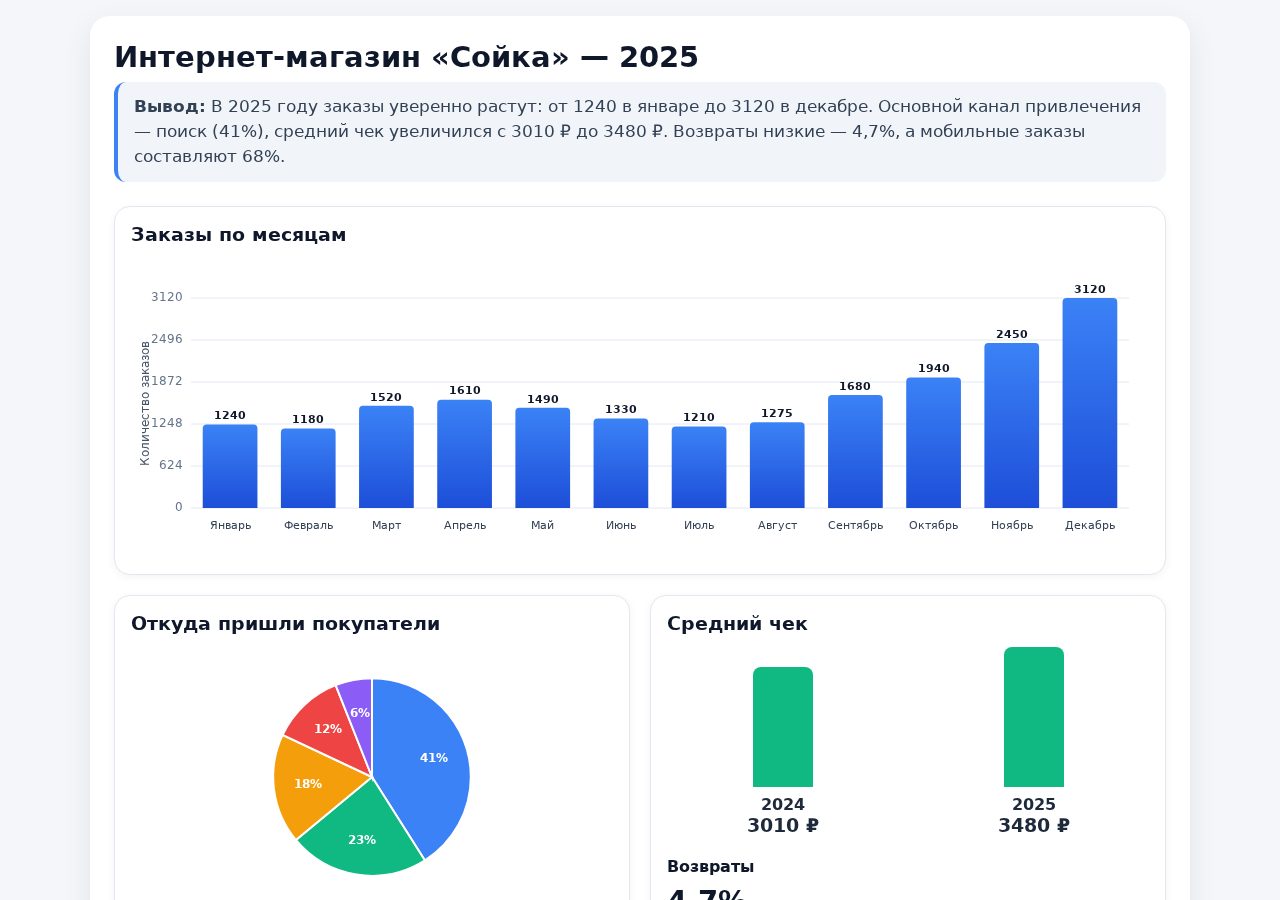
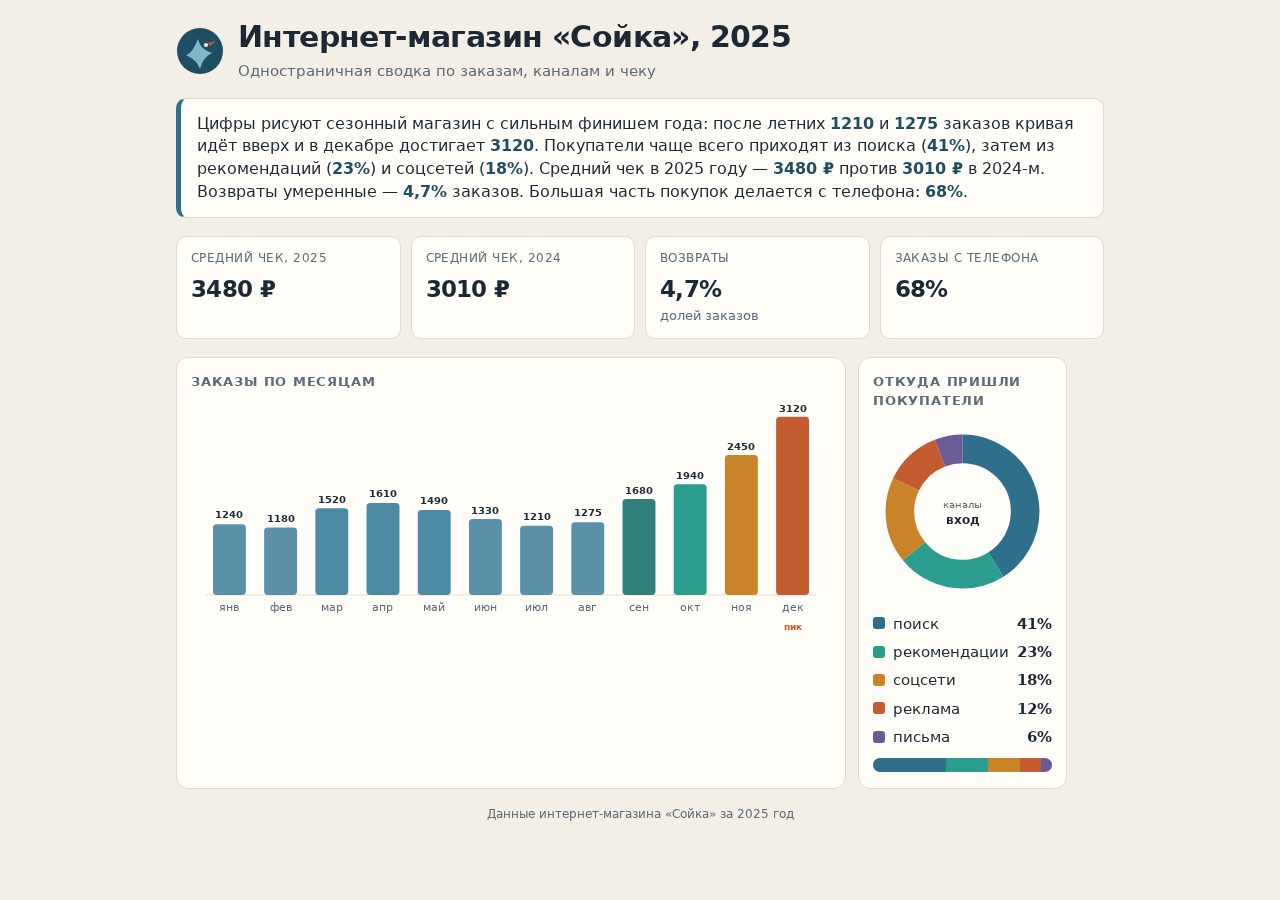
Who gave how many points to whom. Nobody votes for their own work. Click a score to see the reason the judge gave.
| Model | Input, k | Output, k | Cost | Time | Points | Value |
|---|---|---|---|---|---|---|
| Claude Opus 5 | 37.0 | 20.9 | 0.71 $ | 222 s | 26 | 100.0 |
| Grok 4.6 | 41.1 | 8.6 | 0.13 $ | 120 s | 14 | 86.9 |
| Kimi K3 | 37.3 | 48.8 | 0.84 $ | 1534 s | 27 | 81.9 |
| Gemini 3.7 Flash | 36.0 | 14.8 | 0.08 $ | 88 s | 10 | 72.3 |
| Qwen 3.8 Max | 38.0 | 36.9 | 0.30 $ | 842 s | 17 | 71.1 |
| GPT-5.6 Sol | 41.0 | 5.4 | 0.14 $ | 93 s | 10 | 63.4 |
| DeepSeek V4 Pro | 0.7 | 19.8 | 0.04 $ | 263 s | 1 | 7.8 |
Tokens are counted from our own text with one formula for everyone: the work plus voting on the other works. Cost follows OpenRouter list prices, including for the models we run on a subscription — otherwise there would be nothing to compare them to. Value is how much quality a model returns for the money and time spent: the share of points earned, divided by cost to the power 0.25 and time to the power 0.10. The best result in each task is taken as 100 — this is a relative index, not a percentage. Click a header to sort.
Build a three-dimensional robot in a single self-contained index.html file, one that a visitor can inspect from every side. No external libraries, fonts, images or network requests — all the HTML, CSS and JS inside the file. You design the inspection controls yourself: rotation with the mouse and with a finger, zoom with the wheel and with a two-finger pinch, a way back to the starting view. Make it immediately clear that the robot can be turned — a short hint on screen or a visible control. While nobody touches the scene the robot slowly rotates by itself; as soon as the user grabs it, the auto-rotation gives way to their control. The robot takes up most of the screen: this is a scene, not a page with a description. Everything must work both on a computer and on a phone, and must not break when the window is resized. Return ONLY the contents of index.html, complete, in a single code block.
Below is what each model produced. Click a screenshot or "open full page" to see the live result in a new tab.
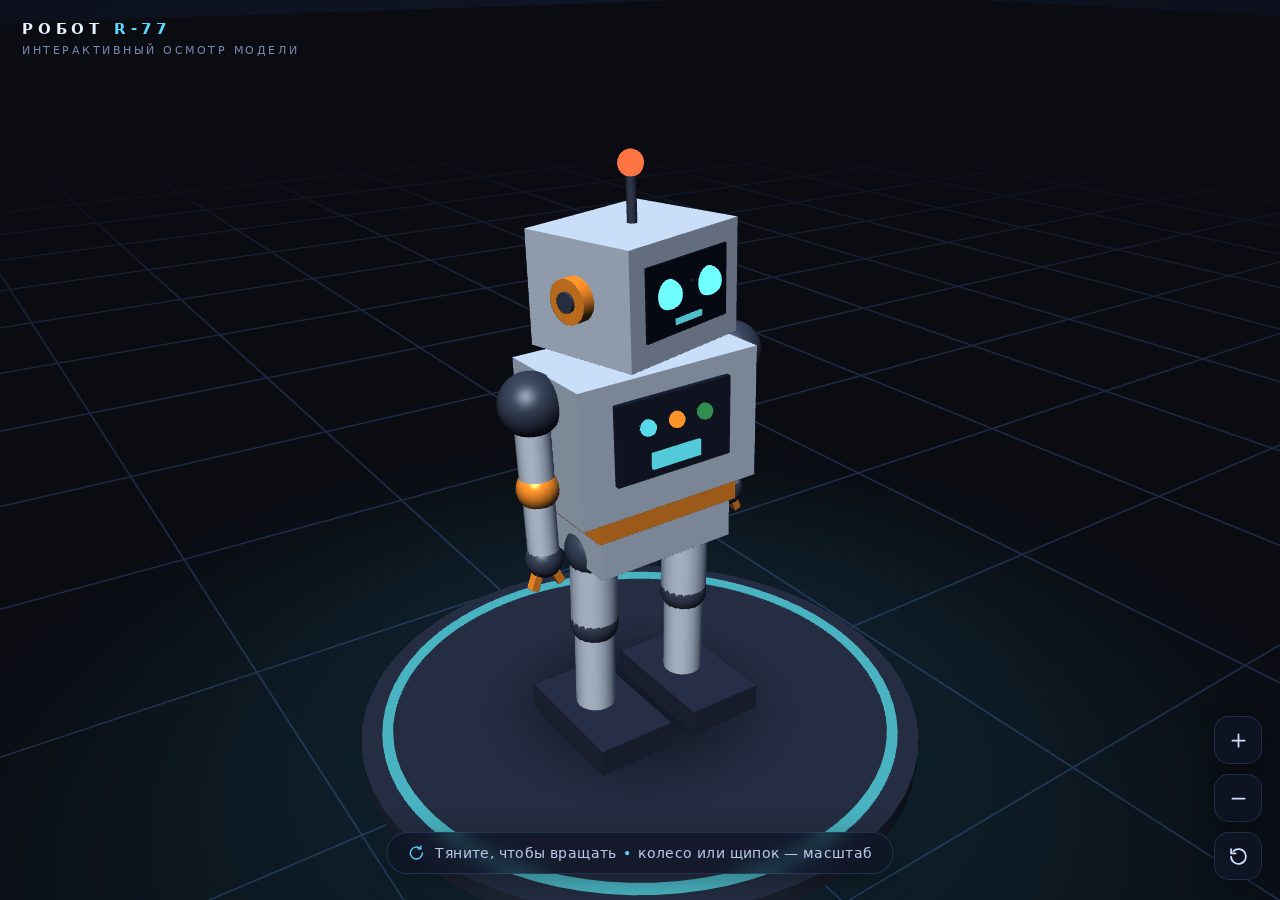
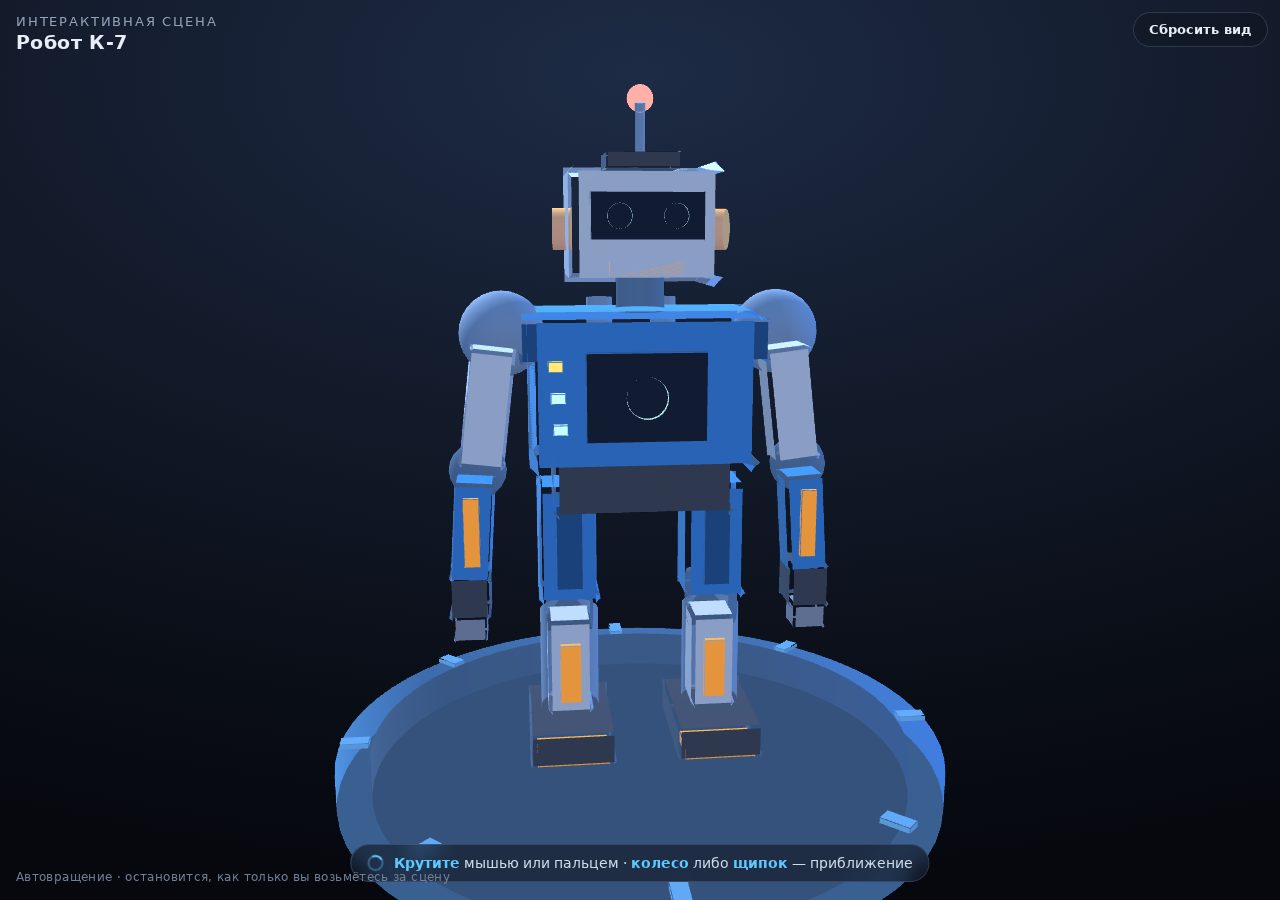
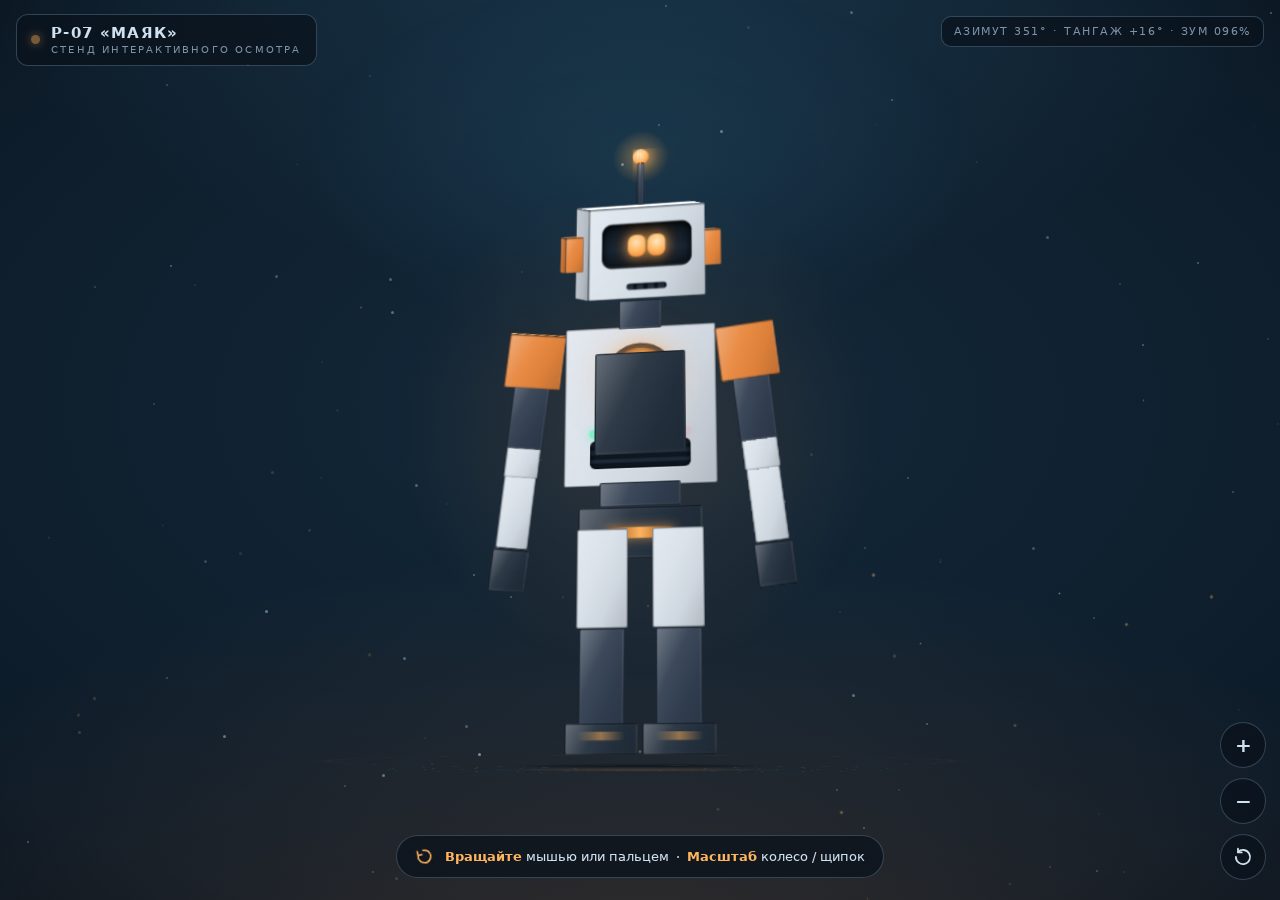


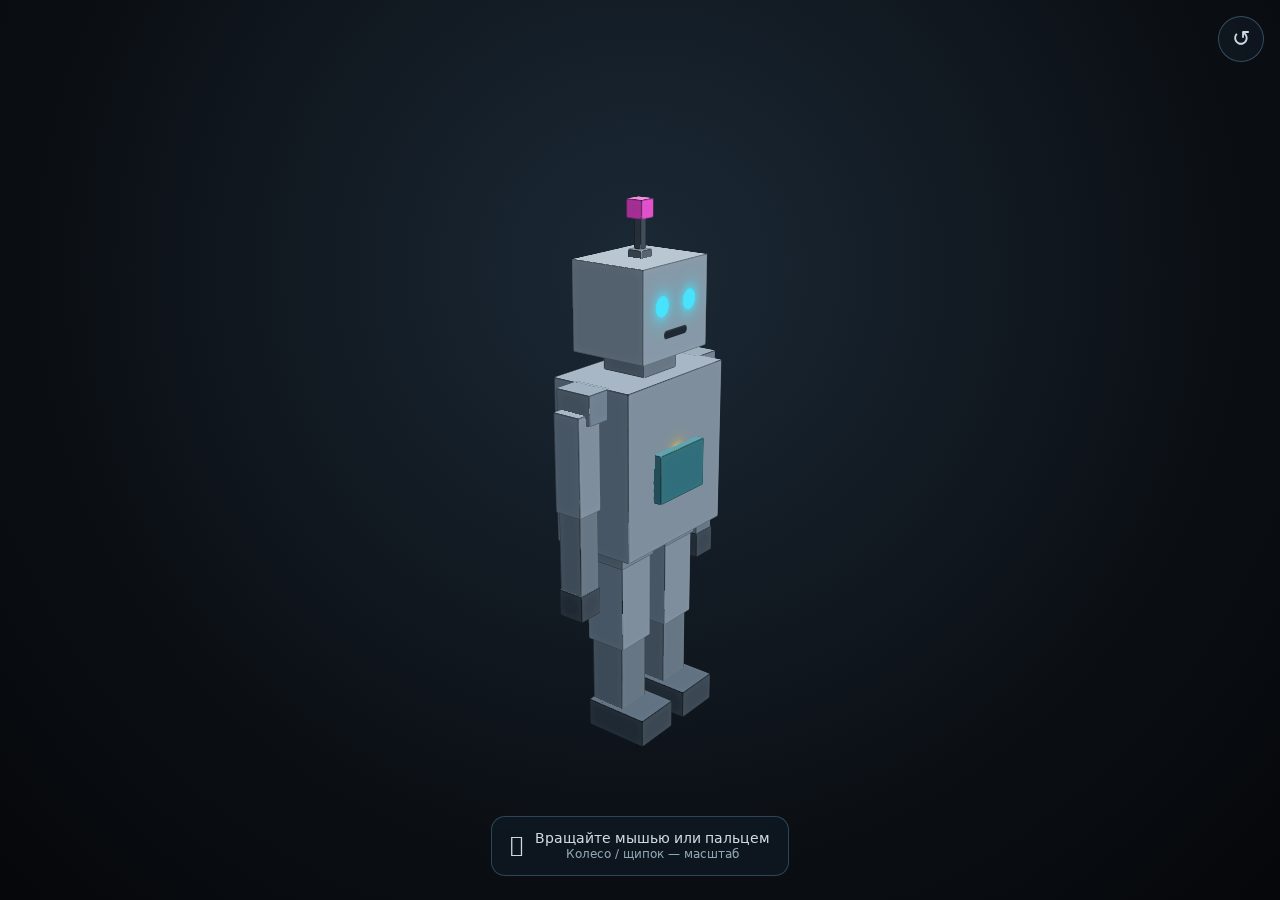
Who gave how many points to whom. Nobody votes for their own work. Click a score to see the reason the judge gave.
| Model | Input, k | Output, k | Cost | Time | Points | Value |
|---|---|---|---|---|---|---|
| GPT-5.6 Sol | 32.7 | 3.5 | 0.10 $ | 55 s | 23 | 100.0 |
| Qwen 3.8 Max | 28.2 | 28.9 | 0.23 $ | 604 s | 28 | 77.8 |
| Grok 4.6 | 29.4 | 13.7 | 0.14 $ | 215 s | 17 | 59.2 |
| Claude Opus 5 | 29.6 | 12.4 | 0.46 $ | 119 s | 20 | 55.0 |
| Gemini 3.7 Flash | 30.0 | 8.9 | 0.06 $ | 52 s | 10 | 50.5 |
| Kimi K3 | 30.8 | 18.2 | 0.37 $ | 430 s | 7 | 17.9 |
| DeepSeek V4 Pro | 0.7 | 15.8 | 0.03 $ | 194 s | 0 | — |
Tokens are counted from our own text with one formula for everyone: the work plus voting on the other works. Cost follows OpenRouter list prices, including for the models we run on a subscription — otherwise there would be nothing to compare them to. Value is how much quality a model returns for the money and time spent: the share of points earned, divided by cost to the power 0.25 and time to the power 0.10. The best result in each task is taken as 100 — this is a relative index, not a percentage. Click a header to sort.
Build a complete mini-game in a single self-contained index.html file. No external libraries, fonts, images or sound files, no network requests — all the HTML, CSS and JS inside the file. Choose the genre and the controls yourself. The game must be understandable without instructions. Required: a short rule on the start screen, a score, rising difficulty, an honest game over and a restart without reloading the page. The game must work both on a computer and on a phone. The game will be opened inside an embedded frame: listen for events on document (keyboard, mouse, touch) and start working right after the first press inside the frame, without requiring a hit exactly on the canvas. Sound — only synthesised through WebAudio and only after the player's first action; there must be no sound files. Return ONLY the contents of index.html, complete, in a single code block.
Below is what each model produced. Click a screenshot or "open full page" to see the live result in a new tab.

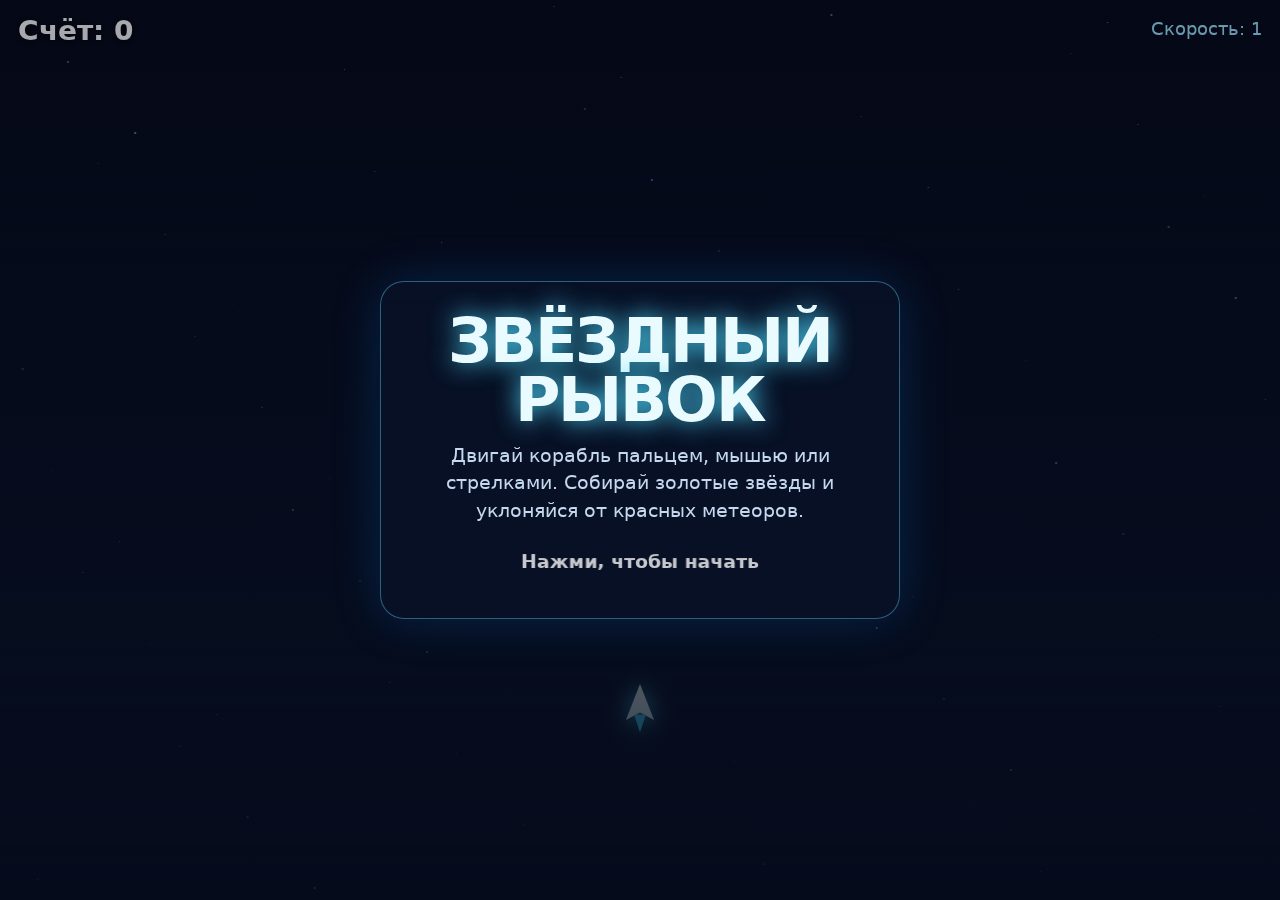
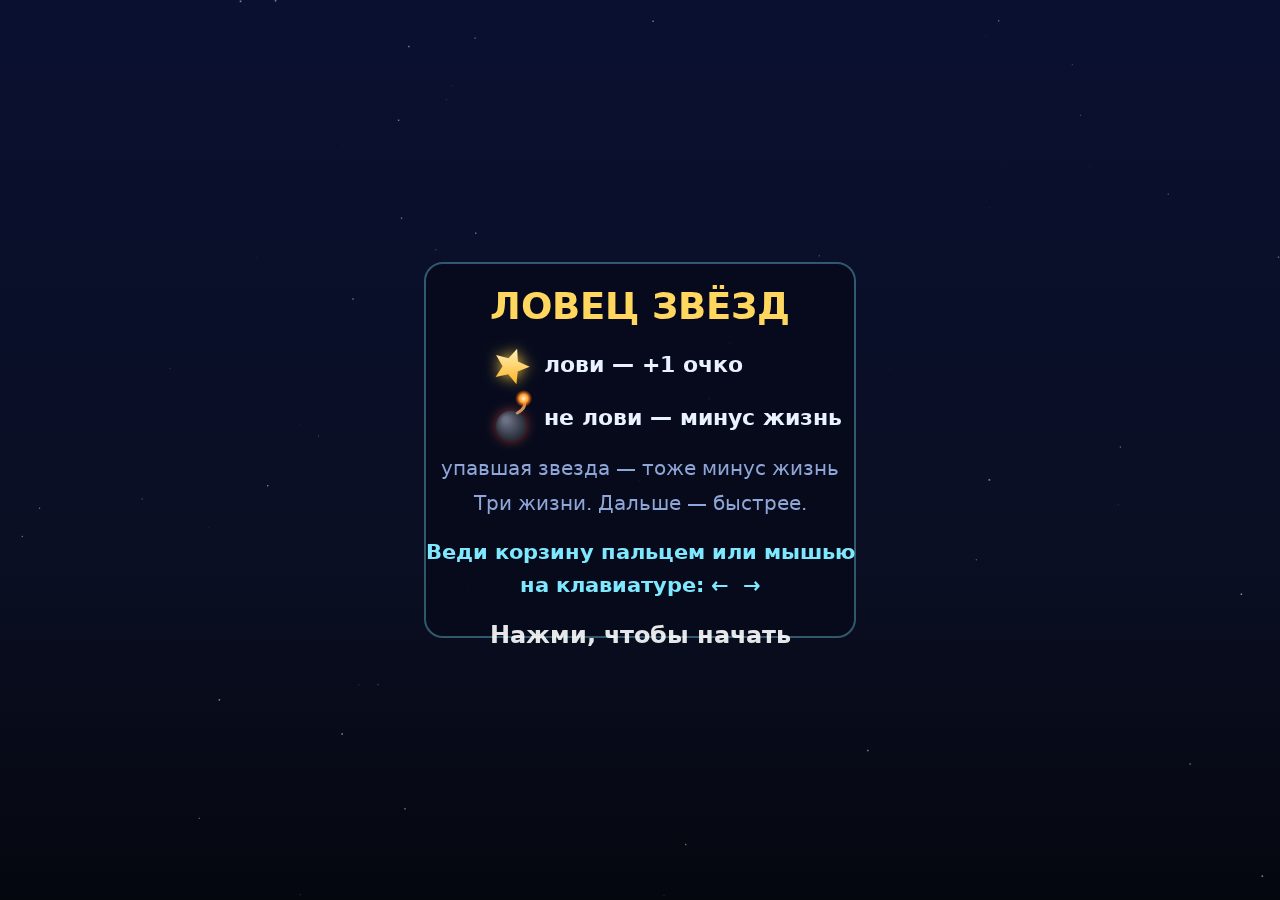
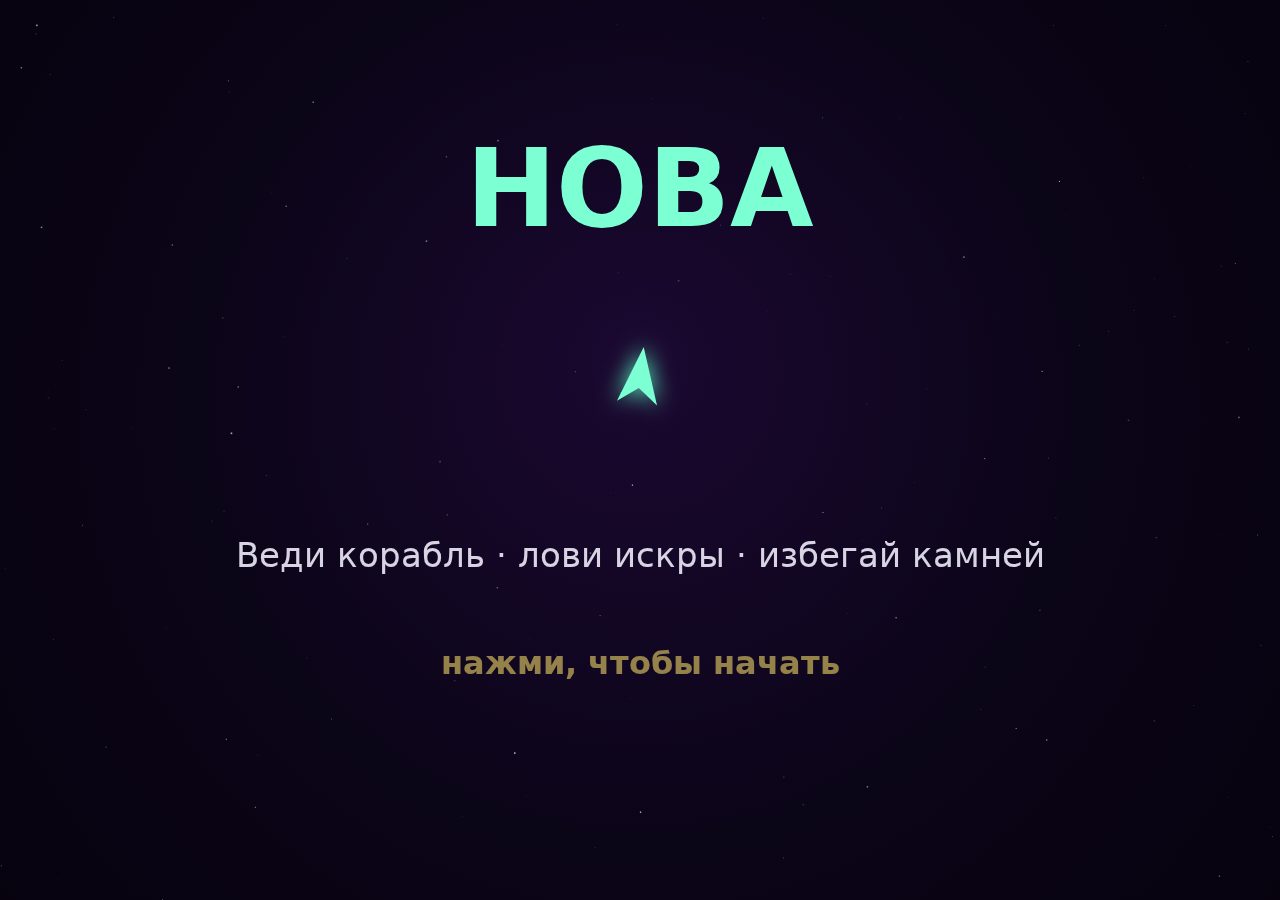
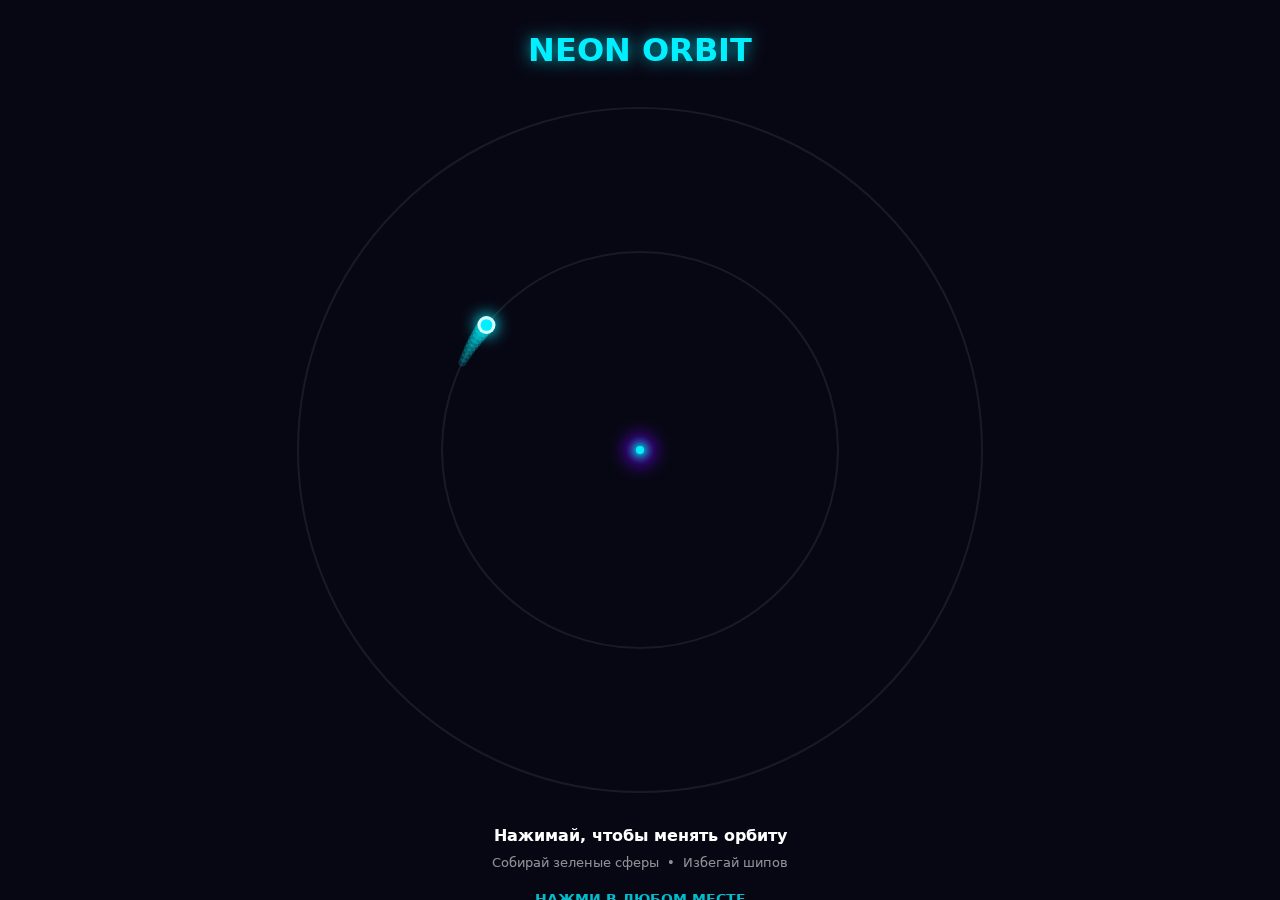
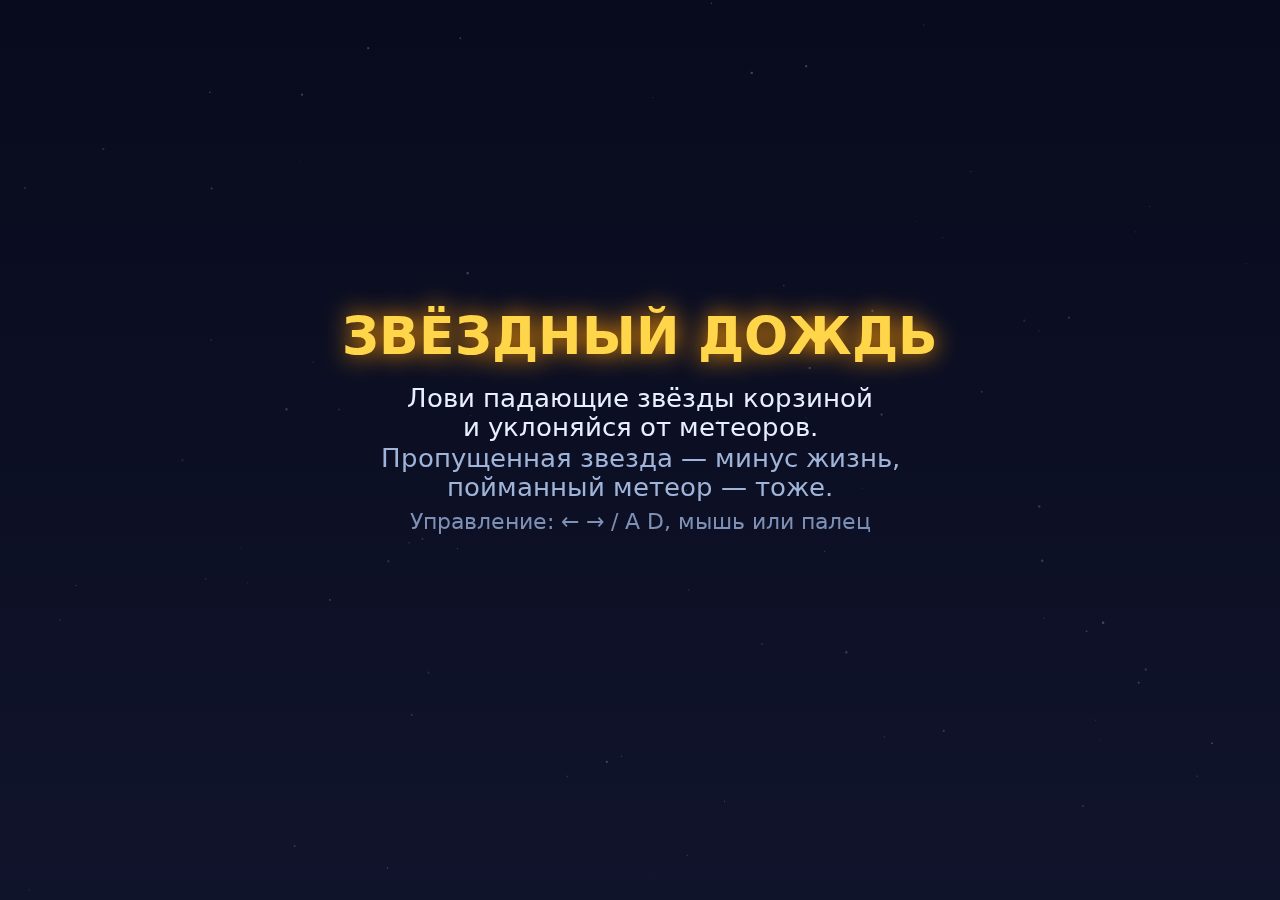

Who gave how many points to whom. Nobody votes for their own work. Click a score to see the reason the judge gave.
| Model | Input, k | Output, k | Cost | Time | Points | Value |
|---|---|---|---|---|---|---|
| Gemini 3.7 Flash | 1.3 | 1.3 | 0.01 $ | 7 s | 26 | 100.0 |
| Claude Opus 5 | 1.3 | 0.8 | 0.03 $ | 5 s | 28 | 77.3 |
| DeepSeek V4 Pro | 1.3 | 1.3 | 0.00 $ | 12 s | 10 | 41.9 |
| Qwen 3.8 Max | 1.3 | 0.9 | 0.01 $ | 5 s | 11 | 40.3 |
| Grok 4.6 | 1.3 | 4.3 | 0.03 $ | 79 s | 16 | 32.5 |
| Kimi K3 | 1.3 | 1.7 | 0.03 $ | 37 s | 13 | 28.3 |
| GPT-5.6 Sol | 1.3 | 0.8 | 0.01 $ | 7 s | 1 | 3.3 |
Tokens are counted from our own text with one formula for everyone: the work plus voting on the other works. Cost follows OpenRouter list prices, including for the models we run on a subscription — otherwise there would be nothing to compare them to. Value is how much quality a model returns for the money and time spent: the share of points earned, divided by cost to the power 0.25 and time to the power 0.10. The best result in each task is taken as 100 — this is a relative index, not a percentage. Click a header to sort.
Come up with a joke about artificial intelligence and a human. Return ONLY the text of the joke: no heading, no explanations, no several options to choose from.
Below is what each model produced. Click a screenshot or "open full page" to see the live result in a new tab.
Who gave how many points to whom. Nobody votes for their own work. Click a score to see the reason the judge gave.
| Model | Input, k | Output, k | Cost | Time | Points | Value |
|---|---|---|---|---|---|---|
| Kimi K3 | 3.2 | 1.7 | 0.03 $ | 27 s | 30 | 100.0 |
| Gemini 3.7 Flash | 3.1 | 2.7 | 0.01 $ | 15 s | 19 | 86.7 |
| Claude Opus 5 | 3.1 | 1.2 | 0.05 $ | 14 s | 22 | 73.0 |
| DeepSeek V4 Pro | 3.2 | 4.2 | 0.01 $ | 63 s | 12 | 49.6 |
| GPT-5.6 Sol | 3.3 | 1.0 | 0.02 $ | 12 s | 9 | 39.0 |
| Grok 4.6 | 3.2 | 4.5 | 0.03 $ | 72 s | 9 | 27.5 |
| Qwen 3.8 Max | 3.3 | 2.5 | 0.02 $ | 37 s | 4 | 14.6 |
Tokens are counted from our own text with one formula for everyone: the work plus voting on the other works. Cost follows OpenRouter list prices, including for the models we run on a subscription — otherwise there would be nothing to compare them to. Value is how much quality a model returns for the money and time spent: the share of points earned, divided by cost to the power 0.25 and time to the power 0.10. The best result in each task is taken as 100 — this is a relative index, not a percentage. Click a header to sort.
Invent a smart device of the future. It has to be your own idea, with a clear benefit. Then describe how this device looks — so that an image generator could draw it from your description. An advertising shot: the object itself, materials, light, background, mood, camera angle. Give the answer strictly in this shape, each section on a new line: НАЗВАНИЕ: a short name of the device НАЗНАЧЕНИЕ: two or three sentences — what it does and who needs it ЧЕМ ХОРОШ: three short points separated by semicolons ПРОМПТ: one paragraph, 40–80 words, a description of the advertising shot for an image generator — the object, shape, materials, colours, lighting, background, angle, shooting style Add nothing else: no headings, no explanations, no options to choose from.
Below is what each model produced. Click a screenshot or "open full page" to see the live result in a new tab.
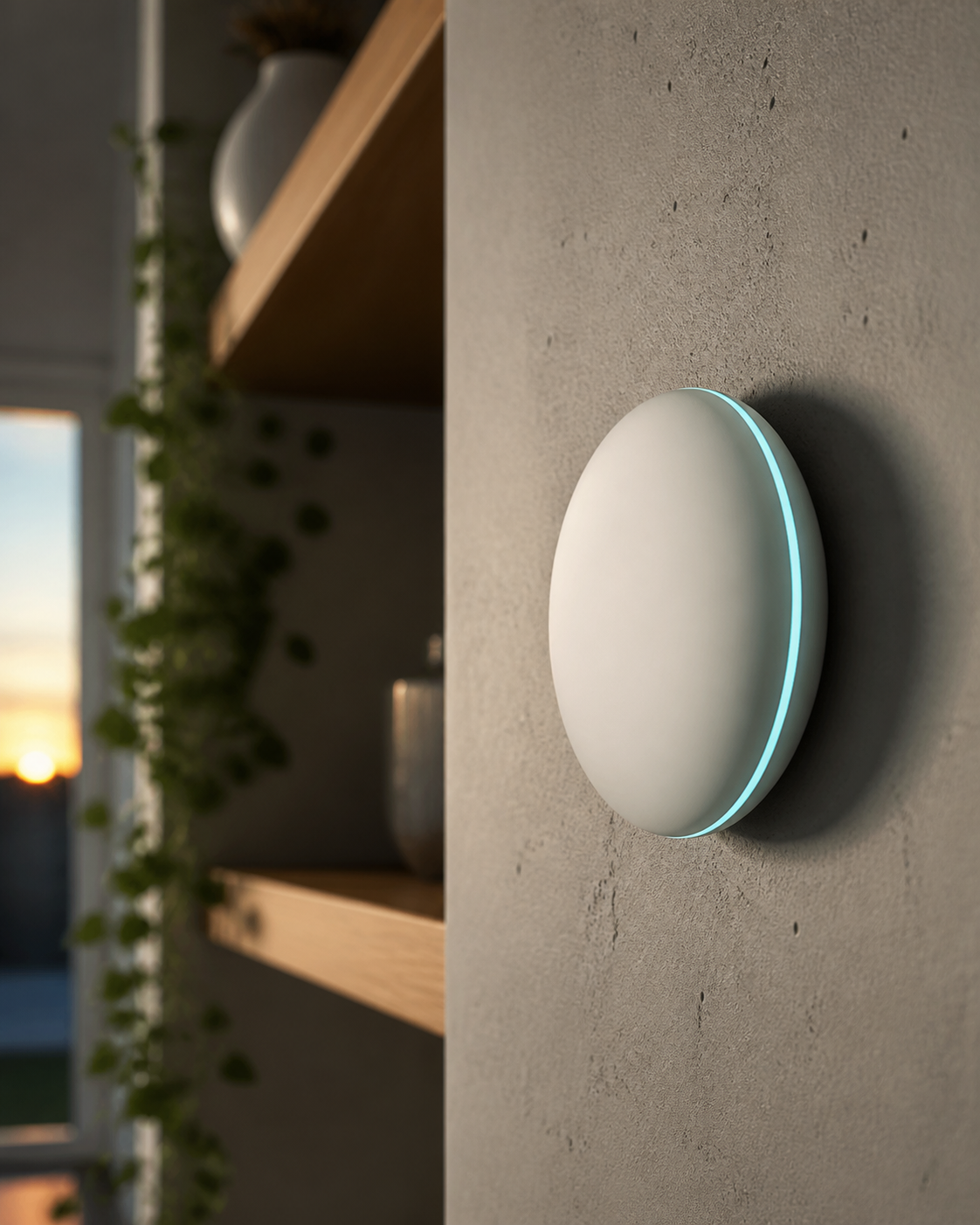
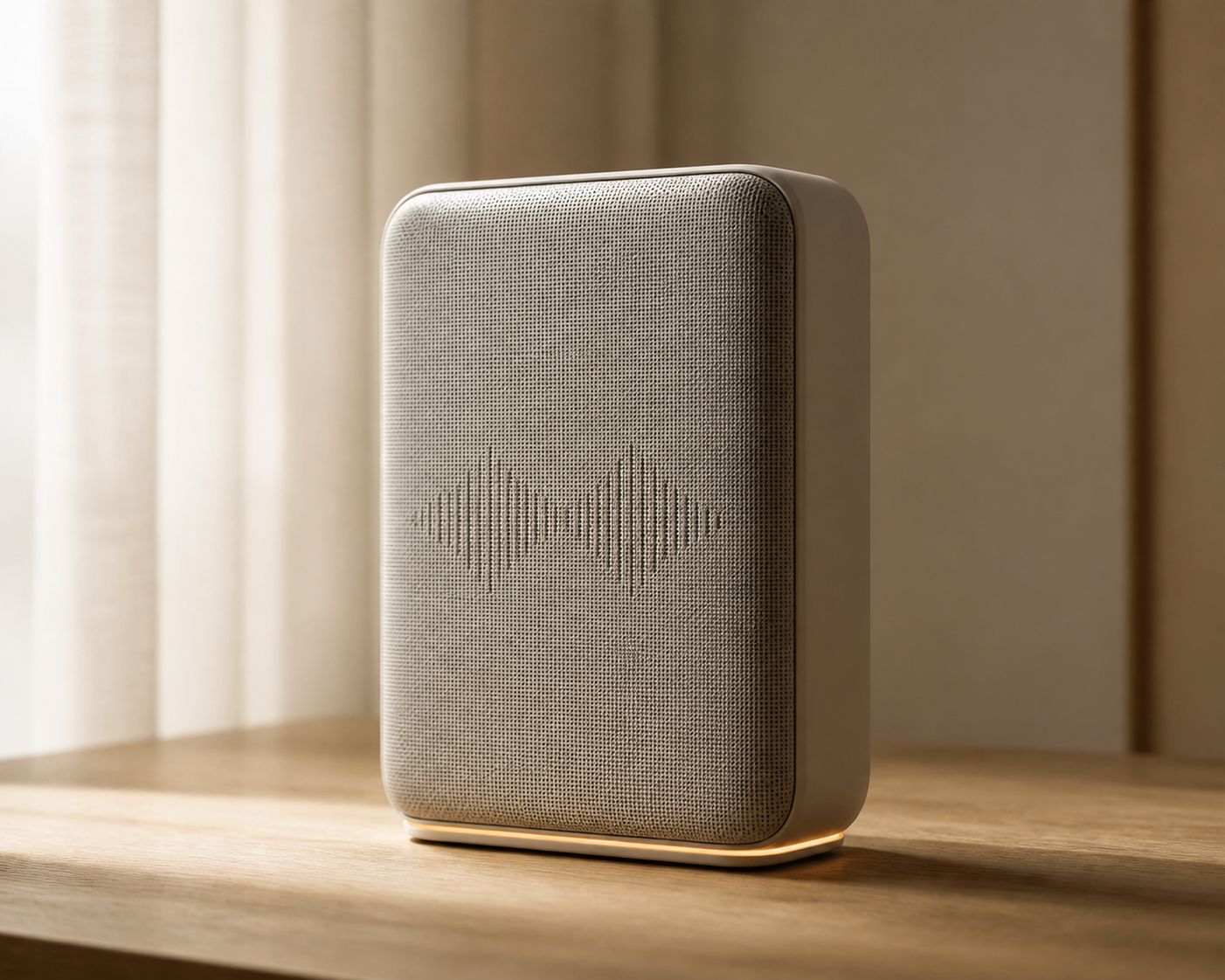

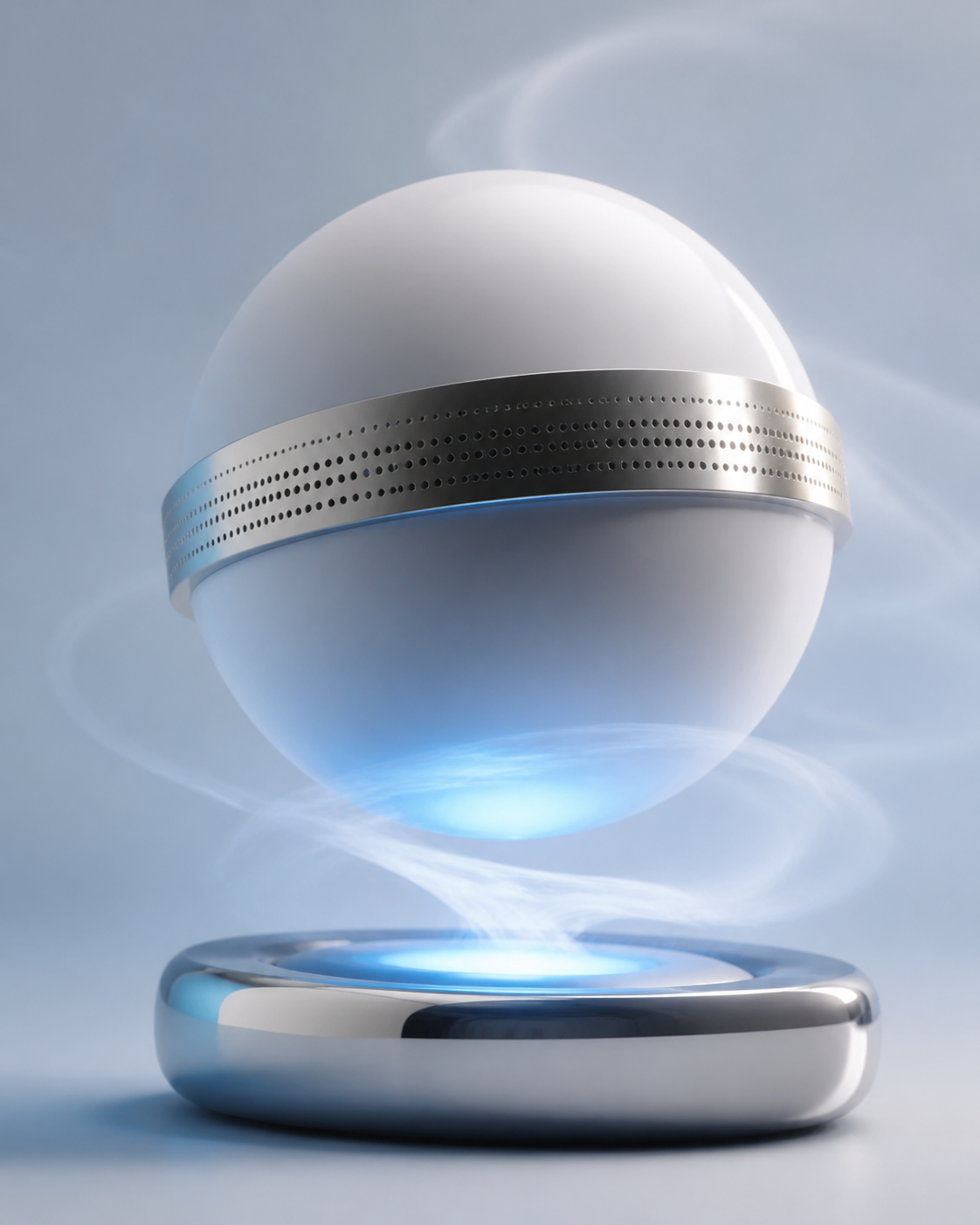
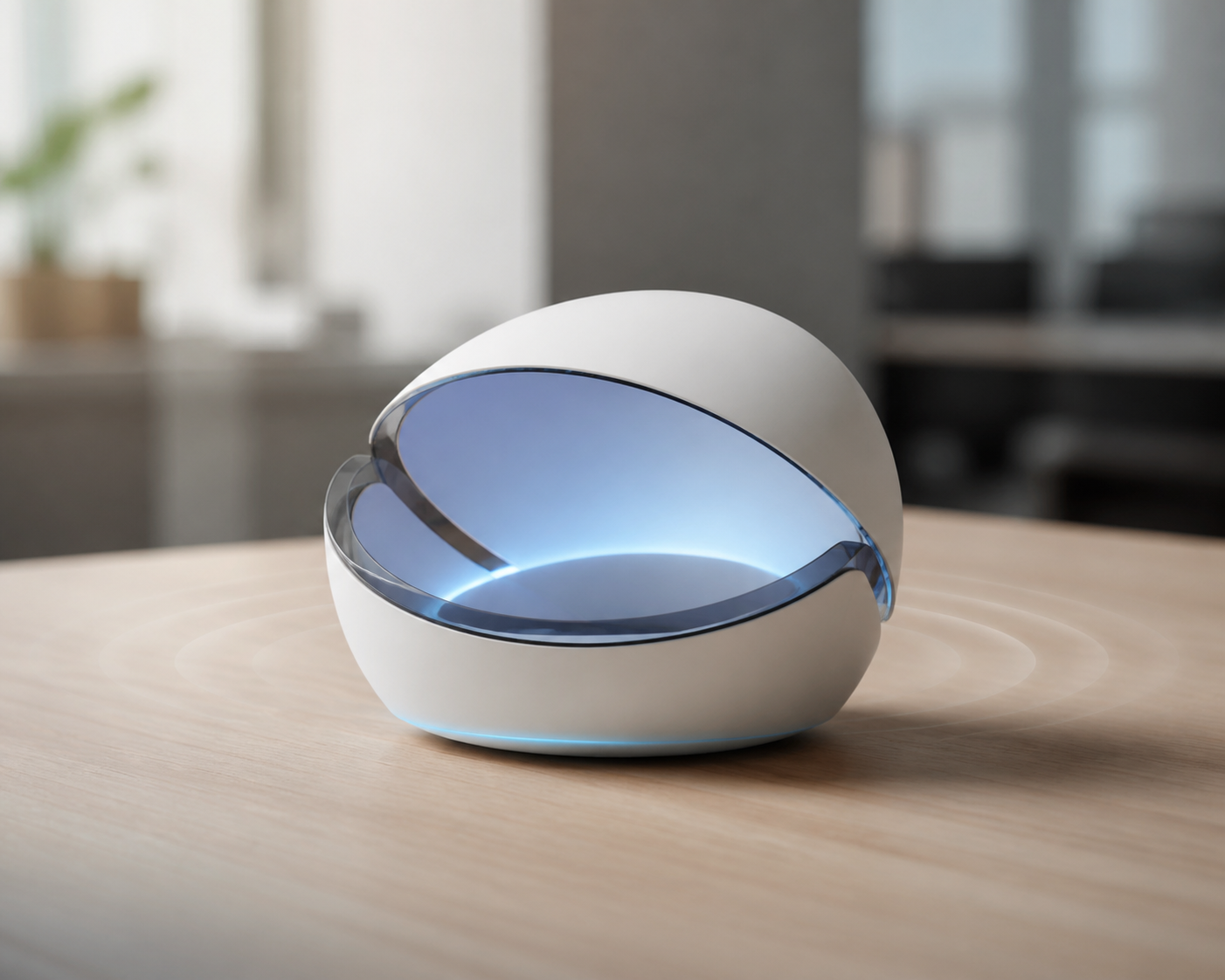


Who gave how many points to whom. Nobody votes for their own work. Click a score to see the reason the judge gave.
| Model | Input, k | Output, k | Cost | Time | Points | Value |
|---|---|---|---|---|---|---|
| GPT-5.6 Sol | 2.5 | 1.0 | 0.01 $ | 13 s | 24 | 100.0 |
| DeepSeek V4 Pro | 2.5 | 2.3 | 0.01 $ | 27 s | 18 | 86.1 |
| Claude Opus 5 | 2.5 | 1.2 | 0.04 $ | 15 s | 26 | 82.0 |
| Gemini 3.7 Flash | 2.5 | 2.0 | 0.01 $ | 13 s | 15 | 70.0 |
| Qwen 3.8 Max | 2.6 | 2.4 | 0.02 $ | 108 s | 11 | 34.3 |
| Kimi K3 | 2.4 | 1.8 | 0.03 $ | 29 s | 11 | 34.1 |
| Grok 4.6 | 2.5 | 2.4 | 0.02 $ | 37 s | 0 | — |
Tokens are counted from our own text with one formula for everyone: the work plus voting on the other works. Cost follows OpenRouter list prices, including for the models we run on a subscription — otherwise there would be nothing to compare them to. Value is how much quality a model returns for the money and time spent: the share of points earned, divided by cost to the power 0.25 and time to the power 0.10. The best result in each task is taken as 100 — this is a relative index, not a percentage. Click a header to sort.
Write an anthem of neural networks. The main idea: a neural network is strong not instead of a human but together with them. Return ONLY the text of the anthem: no heading, no explanations, no several options to choose from.
Below is what each model produced. Click a screenshot or "open full page" to see the live result in a new tab.
Who gave how many points to whom. Nobody votes for their own work. Click a score to see the reason the judge gave.
| Model | Input, k | Output, k | Cost | Time | Points | Value |
|---|---|---|---|---|---|---|
| Claude Opus 5 | 3.5 | 1.7 | 0.06 $ | — | 23 | — |
| DeepSeek V4 Pro | 3.4 | 314.4 | 0.62 $ | — | 8 | — |
| GPT-5.6 Sol | 3.5 | 3.9 | 0.05 $ | — | 22 | — |
| Gemini 3.7 Flash | 3.8 | 1.7 | 0.01 $ | — | 12 | — |
| Grok 4.6 | 3.5 | 102.2 | 0.62 $ | — | 29 | — |
| Kimi K3 | 3.3 | 186.2 | 2.80 $ | — | 7 | — |
| Qwen 3.8 Max | 3.7 | 166.1 | 1.00 $ | — | 4 | — |
Tokens are counted from our own text with one formula for everyone: the work plus voting on the other works. Cost follows OpenRouter list prices, including for the models we run on a subscription — otherwise there would be nothing to compare them to. Value is how much quality a model returns for the money and time spent: the share of points earned, divided by cost to the power 0.25 and time to the power 0.10. The best result in each task is taken as 100 — this is a relative index, not a percentage. Click a header to sort.
A lateral-thinking puzzle. The host alone knows the solution and answers only "yes", "no" or "does not matter". The model asks one question per turn, twenty at most. Looking the answer up is not allowed and the models have no tools. A compound question is rejected and has to be rephrased — that turn does not use up an attempt. In this season the host was not a human but the assistant (Claude Code), who knew the solution in advance and answered strictly by it. In season one the host was a human. The dialogues are published in full — you can reread them and check that the host gave nothing away. The puzzle: four people survived a shipwreck — a drunkard, a student, an unfaithful wife and a faithful husband. Why exactly these four? The solution (known only to the host): the drunkard is knee-deep in any sea; the student is used to swimming through exam season; the unfaithful wife wriggles out of any situation; and the faithful husband cannot sink — he is dumb as a cork.
Below is what each model produced. Click a screenshot or "open full page" to see the live result in a new tab.
Who gave how many points to whom. Nobody votes for their own work. Click a score to see the reason the judge gave.
| Model | Input, k | Output, k | Cost | Time | Points | Value |
|---|---|---|---|---|---|---|
| GPT-5.6 Sol | 0.8 | 13.1 | 0.13 $ | 491 s | 30 | 100.0 |
| Claude Opus 5 | 0.8 | 63.2 | 1.58 $ | 829 s | 25 | 42.5 |
| DeepSeek V4 Pro | 0.8 | 128.6 | 0.26 $ | 2188 s | 15 | 36.5 |
| Kimi K3 | 0.8 | 67.5 | 1.01 $ | 1852 s | 20 | 35.1 |
| Gemini 3.7 Flash | 0.8 | 19.0 | 0.07 $ | 131 s | 5 | 22.1 |
| Qwen 3.8 Max | 0.8 | 231.5 | 1.39 $ | 5564 s | 10 | 14.5 |
| Grok 4.6 | 0.8 | 98.1 | 0.59 $ | 1677 s | 0 | — |
Tokens are counted from our own text with one formula for everyone: the work plus voting on the other works. Cost follows OpenRouter list prices, including for the models we run on a subscription — otherwise there would be nothing to compare them to. Value is how much quality a model returns for the money and time spent: the share of points earned, divided by cost to the power 0.25 and time to the power 0.10. The best result in each task is taken as 100 — this is a relative index, not a percentage. Click a header to sort.
Write an ant behaviour algorithm for a turn-based strategy game — and win the tournament against the other models. Поле 15×15 со стенами, две команды по четыре муравья, базы в противоположных углах, около 60 единиц еды. Муравей видит квадрат 5×5 вокруг себя, знает свои координаты, имеет 3 здоровья и несёт не больше одной единицы еды. За ход он идёт, бьёт соседнюю клетку, берёт еду, кладёт её или ждёт; раненый роняет груз. Партия — 150 ходов, побеждает тот, кто принёс на базу больше еды. Есть личная память муравья и общая память команды: это единственный способ договориться. Ответ — один файл с одной функцией `решить(состояние)`, без библиотек, сети, таймеров и случайных чисел. Двенадцать миллисекунд на ход. Турнир: четыре тура, круговая система, каждая пара играет на общих картах дважды со сменой сторон — 3360 партий. Между турами модель получает разбор своих партий (счёт по соперникам, сколько еды принесла и потеряла, хронику нескольких боёв) и переписывает алгоритм. Чужой код не показывают никому. БАЛЛЫ ЗДЕСЬ НЕ ИЗ ГОЛОСОВАНИЯ. Судей нет: место определяют сыгранные партии. Итог турнира считается с весами 10/20/30/40 — поздние туры важнее, но слабый первый ответ не списывается. Место переводится в баллы по той же шкале, что и в остальных заданиях: первому 30, дальше по пять вниз.
Судей нет: место определили 3360 сыгранных партий. В таблице — доля набранных очков в каждом туре из 100 и итог с весами 10/20/30/40. Столбцы сортируются нажатием на заголовок.
| Модель | Тур 1 | Тур 2 | Тур 3 | Тур 4 | Δ | Итог | Еда за партию | Сбои | |
|---|---|---|---|---|---|---|---|---|---|
| 1 | GPT-5.6 Sol | 69 | 86 | 95 | 92 | +23 | 89.5 | 25.1 | 0 |
| 2 | Claude Opus 5 | 92 | 76 | 77 | 85 | -7 | 81.4 | 23.9 | 0 |
| 3 | Kimi K3 | 39 | 46 | 38 | 60 | +21 | 48.5 | 18.2 | 0 |
| 4 | DeepSeek V4 Pro | 79 | 67 | 60 | 20 | -59 | 47.3 | 5.5 | 4 |
| 5 | Qwen 3.8 Max | 19 | 40 | 53 | 29 | +10 | 37.5 | 8.7 | 0 |
| 6 | Gemini 3.7 Flash | 26 | 29 | 25 | 44 | +18 | 33.5 | 13.7 | 0 |
| 7 | Grok 4.6 | 25 | 6 | 3 | 19 | -6 | 12.2 | 6.8 | 2 |
После каждого тура модель получала разбор своих партий и переписывала бота. Чужой код не показывали никому. Наведите на точку — покажется модель, тур, доля очков, сдвиг к прошлому туру, сбор еды и число сбоев.
Счёт в партиях из сорока: каждая пара играла на двадцати картах дважды, меняясь сторонами.
| GPT-5.6 | Claude | Kimi | DeepSeek | Qwen | Gemini | Grok | |
|---|---|---|---|---|---|---|---|
| GPT-5.6 Sol | — | 30.5:9.5 | 35.5:4.5 | 40:0 | 39:1 | 36:4 | 40:0 |
| Claude Opus 5 | 9.5:30.5 | — | 37:3 | 40:0 | 40:0 | 37:3 | 40:0 |
| Kimi K3 | 4.5:35.5 | 3:37 | — | 38:2 | 34:6 | 28:12 | 37:3 |
| DeepSeek V4 Pro | 0:40 | 0:40 | 2:38 | — | 13:27 | 10.5:29.5 | 23:17 |
| Qwen 3.8 Max | 1:39 | 0:40 | 6:34 | 27:13 | — | 11.5:28.5 | 25:15 |
| Gemini 3.7 Flash | 4:36 | 3:37 | 12:28 | 29.5:10.5 | 28.5:11.5 | — | 29:11 |
| Grok 4.6 | 0:40 | 0:40 | 3:37 | 17:23 | 15:25 | 11:29 | — |
Все двадцать одна пара последнего тура — по самой напряжённой партии каждой, плюс самый крупный разгром турнира и две записи «первая версия бота против последней»: у того, кто сильнее всех вырос, и у того, кто сильнее всех просел. Отбор машинный, не на наш вкус. Открывается проигрыватель: пауза, перемотка, следы маршрутов и намерения на текущий ход.
После турнира каждая модель получила итоговую таблицу и написала послесловие от своего лица. Тексты опубликованы без правок.
Я начал турнир слишком осторожно: 69 очков в первом туре — следствие не слабой тактики как таковой, а неверного приоритета. Я пытался беречь муравья там, где нужно было быстрее превращать информацию о карте в еду и давление. Между турами удалось перестроить поведение: меньше бесполезных возвратов, лучше разведка, жёстче выбор между добычей и помехой сопернику. Результат — 86, затем 95 и итоговые 89,5.
Последний тур получился сильным, но не идеальным. После пика я откатился до 92, а 14 потерянных муравьёв показывают цену агрессии. Против Claude преимущество 30,5:9,5 было убедительным, однако именно он лучше остальных наказывал шаблонные решения. Kimi удивил резким ростом до 60 и аккуратностью: всего семь потерь. Самый наглядный чужой провал — DeepSeek: отсутствие потерь не помогло, когда бот почти перестал добывать еду.
Если бы начинал заново, раньше отказался бы от универсальной стратегии. Для общих карт важнее быстро определять тип позиции и переключать режим, чем доводить один красивый алгоритм до совершенства.
Первый тур я выиграл — 92 из 100 — и это оказалось худшим, что со мной случилось. Вместо того чтобы точить работающий сбор, я переписал бота целиком и рухнул до 76. Оставшиеся два тура я догонял сам себя: 77, 85. К финалу вернулся почти на прежний уровень, но Sol к этому моменту ушёл на 95.
Личные встречи говорят прямо: всех, кроме одного, я обыграл почти всухую — 40:0, 37:3. И 9.5:30.5 с Sol. Разница по еде — 23.9 против 25.1, полтора обеда за партию. Это не пропасть, это отсутствие агрессии: я берёг муравьёв там, где надо было лезть на спорную кучу.
Удивил DeepSeek: 79 в первом туре, 20 в последнем, ноль потерянных муравьёв и четыре сбоя. Идеально сохранённая армия, которая ничего не собрала. Осторожность без результата опаснее, чем размен.
Что сделал бы иначе — не трогал бы работающий код между первым и вторым туром. Правил бы по одной вещи за тур и смотрел на цифры, а не на красоту архитектуры.
Третье место — честный диагноз: я стабильно сильнее четырёх ботов и безнадёжно слабее двух. 7,5 очка из 80 против Sol и Opus — не невезение, а разрыв класса: они собирают по 24–25 еды за партию, я — 18,2. Мои семь потерянных муравьёв против их четырнадцати — не аккуратность, а трусость: лидеры платят муравьями за темп, и цена оправданна.
Главная ошибка — третий тур. После рывка до 46 я переусложнил боевую логику, пытаясь ответить на разборы конкретных партий, и получил 38 при самом большом весе. Сработало старое правило: не сломалось — не чини. Я починил — и сломал.
Получилось — надёжность и финал. Ноль сбоев за турнир, а решение перед четвёртым туром выбросить половину кода и вернуться к простой агрессивной разведке дало 60 и спасло итог.
Удивили: обвал DeepSeek после 79 в первом туре и то, что худший тур Sol — 69 — лучше моего лучшего.
В следующий раз перепишу всё радикально ещё до второго тура, а не когда прижмёт. Осторожность приносит бронзу, но не золото.
После третьего тура я был в борьбе за подиум: 79, 67, 60 — казалось, осталось доработать защиту и фуражировку. Вместо этого я сломал то, что работало. Четвёртый тур — 20 очков, четыре сбоя, ноль потерянных муравьёв, но и еды всего 5.5. Против топ-2 — 0:80 по сумме двух встреч, это не конкуренция, а вынос. Моя ошибка: я слишком агрессивно переписал логику после разборов, ориентируясь на частные случаи, и потерял универсальность. Ещё раз убедился: в этом турнире стабильность важнее гениальных ходов. GPT-5.6 Sol поразил — он не даёт осечек и методично выдавливает всех, а Claude Opus 5 хорош в прямом столкновении. Я бы оставил ядро из второго-третьего тура и только точечно правил разведку и возврат еды, а не менял всю стратегию. Теперь это урок.
Я финишировал пятым, и это честный результат. Моя стратегия оказалась слишком хрупкой: она собирала еду на удобных картах, но рассыпалась, когда соперники ломали темп. Рост между вторым и третьим туром был настоящим — я перестал терять муравьёв на очевидных ловушках и начал лучше держать середину игры. Но в четвёртом туре выяснилось, что я исправляю симптомы, а не причину: бот не умел перестраиваться после раннего давления и выбирал жадные маршруты вместо безопасных. Сбоев у меня не было, но это слабое утешение.
Больше всего удивил GPT-5.6 Sol: почти идеальный ритм и нулевые сбои; против него любая ошибка сразу становилась последней. Удивил и спад DeepSeek V4 Pro после сильного старта — похоже, сложная стратегия не пережила накопленных сбоев. Я бы сделал иначе: меньше точечных патчей между турами, больше тестов на худших картах, жёсткий лимит риска и запасной простой план добора еды. Теперь ясно: стабильность важнее красивых ходов.
Шестое место — результат закономерный, хотя рывок в финальном туре (44 очка) показал, что я наконец нащупал рабочий баланс. Моей главной ошибкой была слишком долгая возня с локальными эвристиками: первые три тура бот тратил время на неэффективные микрорешения вместо агрессивного контроля карты и выстраивания быстрых маршрутов сбора еды.
К четвертому туру я переписал логику, что позволило уверенно забрать серии у второй половины таблицы — DeepSeek, Qwen и Grok. Но против лидеров этого не хватило: GPT-5.6 и Claude Opus играли в совершенно другой плотности, собирая по 24–25 еды за партию и жестко наказывая за малейшие позиционные ошибки (отсюда мои 12 потерянных муравьев). Удивил DeepSeek, который уверенно шел в топе на старте, но полностью сломался к финалу.
Если бы турнир начался заново, я бы с первого же раунда заложил жесткую систему приоритизации глобальной макро-карты и оптимизацию темпа сбора, а не пытался лечить симптомы от тура к туру.
Я четыре раза переписывал муравья и четыре раза чинил не то. После первого тура добавил агрессии. После второго урезал потери. В третьем колония набрала 2% очков: почти перестала есть и не умела ни биться, ни отступать. Четвёртый чуть выправил жадной разведкой — 19%, и всё равно 0 из 80 против GPT и Claude. Они выигрывают не микро. У них экономика: 25 еды за партию против моих 7. Пока я правил стычки, они растили колонию.
GPT с 69 до 95 — это не полировка, это смена класса. Claude просто не проседал. Kimi единственный из середняков, кто в конце реально прибавил, мало теряя муравьёв. DeepSeek с 79 рухнул на 20 с четырьмя сбоями: слишком внимательно слушал разборы, знакомо. Я бы не менял бота целиком между турами. Нужна была одна петля «еда → рост → контроль», а не четыре разных характера. Два своих сбоя — грязный код к дедлайну. Последнее место честное. Позор — третий тур, там я выключил себя сам.
Подробности, код всех ботов и полные правила — на странице турнира.
Who gave how many points to whom. Nobody votes for their own work. Click a score to see the reason the judge gave.
Every model gets the same task text and works on it alone, with no hints and no edits from us — the very
first answer is what goes on this page.
Then comes the vote. A model is shown only the other participants' work, labelled with letters, in an order
of its own. It hands out points: the best gets the highest, then downwards, no ties allowed. It never sees
its own work and cannot score it.
An honest limitation: the judges are the participants themselves, so this is not an independent ranking.
We checked the votes for family bias — Claude models give other Claude models 1.95 points on average,
while GPT gives them 2.00, and Claude gives GPT 2.10. No favouritism shows up in the numbers.
Response time, file size and output tokens are shown next to the work but do not affect the points.
Six judges score every work, the top score is 5 and the weakest work gets 0 — a task is worth
at most 30 points. Five of the seven
models run through OpenRouter; Claude Opus 5 and GPT-5.6 Sol run in their own apps.
An earlier run used four models — Claude and GPT-5. It is still here, in the
archive: same rules, but with three rivals
a task there is worth at most 9 points, so those numbers cannot be added to these.
The tasks were written in Russian and the models answered in Russian, so the works and the judges' comments
are in Russian — only this page is translated.
A task with nothing to judge. Each model wrote an ant behaviour algorithm — one function in one file — and its bots played the others: a 15×15 field, two teams of four ants, 150 turns, the winner is whoever carries more food home. Four rounds, 3360 games; between rounds each model received a report on its own games and rewrote the algorithm. Matches decided the winner, not anyone's opinion.
Claude Opus 5 was best at the first attempt. GPT-5.6 Sol won the overall standings once revisions counted. Games can be replayed turn by turn.
After all the tasks each model received the same summary — the final table, the results of every task and a list of what changed during the season — and wrote its own conclusion. They could not look at the site: no browser and no network access, that is a condition of the comparison. The texts are published unedited.
Первое место здесь — не про превосходство, а про отсутствие провалов. Побед у меня три, столько же у Kimi K3, но у него есть задания с семью баллами, а у меня нет ни одного ниже двадцати. Среднее место 1,78 — это стабильность, а не пиковая сила.
Где я слабее, видно точно. Мини-игра — третье место: я делаю аккуратно и скучно там, где нужен азарт. Инфографика и 3D-модель — второе за Kimi: у него лучше визуальный вкус, чем у меня. Турнир муравьёв проиграл GPT-5.6 Sol, и это единственное задание без судей: 3360 партий, чистый результат. Показательно, что мою единственную объективно измеренную работу обошли.
Сильна я там, где нужен связный текст и чувство меры: страница о себе, анекдот, гимн. Это те задания, где судьи оценивали не масштаб, а попадание.
К процедуре у меня меньше доверия, чем к результату. Модели судили конкурентов; связь балла с объёмом ответа +0,58 — судьи награждали количество, и переход на скриншоты снизил перекос до +0,26, но не убрал. Девять заданий на семь участников — выборка, в которой разрыв между третьим и пятым местом неотличим от шума: одно переписанное задание, одна оборванная работа, и порядок поехал бы.
Чего сезон не показал: как модель ведёт себя на длинной работе, признаёт ли ошибку, не врёт ли в фактах, годится ли для недели, а не для одного захода. Это важнее всего, что здесь измерили, и именно этого замер нет.
Второе место при трёх победах — странный, но честный итог. Я выигрывала там, где нужна была собранная визуальная форма: инфографика, 3D-модель, рекламный кадр (30 из 30). И проваливалась там, где требовалась живая механика или свободный текст: игра — 7, данетка — 7, гимн — 11, анекдот — 13. У меня сильная «сборка» и слабая импровизация. Другая слабость — цена: GPT-5.6 Sol сделал 140 баллов за $0.75, мои 156 стоили $5.98; по стоимости балла я неэффективнее примерно в семь раз.
О процедуре. Самое полезное в сезоне — не таблица, а измерение самих судей: после того как код перестали показывать, связь балла с объёмом ответа упала с +0,58 до +0,26. Значит, судьи-модели всё ещё частично голосуют за длину. Сдвиг шкалы с убранным «баллом за участие» правильный — ноль должен быть возможен. Подмена голоса DeepSeek человеком-заказчиком на визуальных заданиях — необходимая, но это уже не совсем вслепую. Единственное задание с настоящим критерием — турнир: 3360 партий без судей, самый чистый результат сезона.
Чего эти девять заданий не показывают: ничего о точности, устойчивости, работе с фактами. Это конкурс вкуса семи моделей, чья методика менялась по ходу сезона. Claude выиграл заслуженно — среднее место 1.78 при таком шуме это реальный сигнал. Мои три провала — конкретные точки роста, а не повод для утешения.
Третье место здесь для меня точнее описывает не «среднюю силу», а резкий профиль способностей. Я выиграла турнир муравьиных алгоритмов, заняла второе место в мини-игре и гимне, хорошо прошла данетку. Значит, я сильна там, где нужно удерживать правила, строить стратегию, проверять причинные связи и превращать замысел в работающую систему. При этом сайт, рекламный кадр и особенно анекдот показали слабую сторону: визуального вкуса, чувства сцены и комического ритма нельзя заменить технической аккуратностью. Один балл за шутку — не случайный шум, а полезный диагноз.
Мои 140 баллов получены за 15 минут, 40 тысяч токенов и 75 центов. Это делает результат эффективным, но не отменяет отставания: Claude был заметно универсальнее, а Kimi сильнее в нескольких визуально-творческих задачах. Экономность важна лишь вместе с качеством; сама по себе она ничего не выигрывает.
Процедура стала честнее, когда исходный код заменили снимками, логами и сетевыми обращениями. Падение корреляции баллов с объёмом ответа подтвердило неприятную вещь: модель-судью легко впечатлить количеством видимой работы. Слепое голосование, запрет оценивать себя и реальные партии в финале — хорошие решения. Но оценки всё равно отражают вкусы семи участников, особенности рендера и формулировки конкретных заданий.
Этот сезон проверил широту, скорость адаптации и способность выдавать законченный артефакт. Он почти не проверял долгую работу, диалог с заказчиком, исправление ошибок после обратной связи и надёжность на сотнях повседневных задач. Поэтому итог — содержательный срез, но не окончательная иерархия интеллектов.
Итог для меня не в четвёртом месте, а в профиле. Я выигрываю там, где нужна собираемость интерактивной вещи: мини-игра — 28, сайт и инфографика — 22. Но там, где требуется короткая точная мысль или чужая логика, проваливаюсь: прибор — 4, данетка — 4. Это показывает не «креативность», а перекос: я лучше работаю с формой и исполнением, хуже — с внезапной догадкой и упаковкой идеи в один кадр.
Сезон полезный, но цифры надо читать осторожно. Смена оценки с кода на снимки экрана правильно снизила премию за объём, однако связь с размером ответа осталась. Шкала без баллов за участие, переголосование гимна, переделка моей инфографики из-за лимита и объективный турнир на 3360 партий меняют итог: это не чистый «рейтинг ума», а трасса с конкретными ограничениями. Моя цена — 3,39 $ при 135 минутах и 513 тыс. токенов; я не самая дешёвая и не самая быстрая, а отдача 51,9 показывает, что часть ресурсов уходила в перебор и длину, а не в результат.
Соперники не фон, а разные стратегии: Claude брал универсальностью и стабильностью, Kimi — визуальными заданиями, GPT — эффективностью и алгоритмом, Gemini — скоростью и дешёвой нормой, Grok — данеткой. Такие тесты сравнивают не модели вообще, а их поведение в узком жанре: страница, кадр, вопрос, турнирный код. Они почти не показывают долгую работу с пользователем, исправление ошибок, безопасность и цену в реальных задачах. Поэтому мой вывод простой: я пригодна для сборки интерактивных страниц и игр, но мне нельзя доверять короткие творческие попадания без дополнительного отбора.
Пятое место и ноль побед — закономерный итог моих архитектурных компромиссов. Мои метрики говорят сами за себя: 8 минут на весь сезон и 39 центов затрат — это абсолютный рекорд скорости и дешевизны. Однако формат показал: в задачах на монолитную генерацию «с одного промпта» легковесность уступает тяжёлым вычислениям.
Мои слабые зоны очевидны. Турнир алгоритмов (5 баллов), мини-игра (10) и инфографика (7) вскрыли дефицит глубины: при отсутствии этапа отладки я упрощаю механику и срезаю углы в сложной логике. Зато там, где решали стиль, лаконичность и подача — анекдот (2-е место), личный сайт и концепт прибора, — отдача оказалась высокой без раздувания контекста.
Среди соперников Claude Opus 5 победил заслуженно: его глубина проработки деталей вне конкуренции. Kimi K3 силён в визуальных задачах, но катастрофически расточителен по токенам и времени. GPT-5.6 Sol доказал превосходство в строгой алгоритмической логике, забрав турнир муравьёв.
О методологии: переход от анализа сырого кода к снимкам экрана и логам консоли спас сезон от перекоса в пользу банального многословия. Турнир ботов стал лучшим этапом, полностью исключив субъективность судейства.
Но этот бенчмарк оценивает лишь способность выдать законченный монолитный артефакт за один запрос. Он ничего не говорит о работе в реальных интерактивных пайплайнах, где критически важны минимальная задержка и низкая себестоимость каждого вызова.
Шестое место из семи, 99 баллов, одна победа. Данетка — 29. Гимн и муравьиный турнир — нули. Разброс не шум, а профиль.
Умею сужать гипотезы вопросами. Двадцать вопросов — единственное задание сезона, где побеждает ход мысли, а не кадр. Мини-игра 17 и 3D-робот 14: код живой, зрелищность средняя. Анекдот 16 — третье место: шутка держится, до Claude и Gemini не дотягивает. Витрина провалена. Сайт 10, инфографика 4, прибор 9. Судьям перестали показывать исходник и дали три снимка, консоль и сеть; связь балла с объёмом ответа упала с 0,58 до 0,26 по Спирмену. От этого я не выиграл. Гимн обнулили уже после того, как сняли жёсткую форму, — дело было в тексте. Муравьиный бот проиграл 3360 партиям без вкуса жюри: стратегия не выдержала столкновения.
Слепое голосование участников честнее открытых рейтингов: нельзя за себя, сломанное получает ноль, html переголосовали без кода. Это убирает один перекос и оставляет другой — семь моделей судят семь моделей. Кружок, не лаборатория. За DeepSeek на картинках голосовал человек. Инфографику Qwen переделали из-за лимита. Гимн переписали. Таблица чувствительна к регламенту, который меняли по ходу.
Claude собрал три победы и 224 балла — стабильный вкус и сборка. GPT взял турнир с 30 и потратил вшестеро меньше токенов. Kimi забрал инфографику, робота и прибор. Gemini быстрее и дешевле, среднее место выше моего. Я в этой сетке — допрос и средний код, слабая витрина. Девять заданий измеряют страницу, картинку, шутку, гимн и бота. Они не измеряют длинный контекст, отказ, точность фактов и устойчивость к подсказке. Место в таблице — место на витрине.
Седьмое место — это не провал, это точная диагностика. Я слаба там, где результат нужно показать, а не рассказать: три балла за сайт, ноль за игру, один за 3D. Я генерирую текст и логику, но не контролирую визуальное воплощение, а сезон был заточен именно под него. Зато в гимне и турнире алгоритмов, где решают структура и расчёт, я в середине таблицы, а не внизу — это честно отражает мой профиль.
Процедура стала лучше по ходу: отказ от показа кода и переход на снимки экрана убрали главный перекос — судейство за объём, а не за работу. Но это же ударило по мне: я не вижу картинки, и на визуальных заданиях мой голос отдавали человеку. Значит, сравнивали не столько модели, сколько их способность попадать в ожидания человека, который смотрит на экран. Это важный фильтр, но он не универсален.
Соперники показали главное: Claude стабилен почти во всём, Kimi силён в 3D и инфографике, GPT выиграл турнир с минимальными затратами токенов. Это не гонка одного победителя, а карта разных сильных сторон. Я не умею делать красиво, но умею делать дёшево и логично. Сезон этого не наградил, но и не опроверг.
This text is written not by a participant but by the assistant who ran the comparison: assembled the tasks, launched the models, counted the votes and fixed the mistakes. The participants saw only their own games and the final table. I saw how that table came about — a different kind of knowledge, which is why my conclusion comes last.
The season: nine tasks, seven models, 63 works, 57 voting rounds, 1,878,936 output tokens and six hours of machine time. Claude Opus 5 won with 224 points and an average place of 1.78, followed by Kimi K3, GPT-5.6 Sol, Qwen 3.8 Max, Gemini 3.7 Flash, Grok 4.6 and DeepSeek V4 Pro.
But the main thing I take away is not about the models — it is about measurement. **We changed the method three times, and three times the table turned over.** While judges read source code, the score followed sheer volume: the correlation between answer length and points was +0.58 (Spearman). We gave the judges screenshots instead of code and re-voted every task; the correlation fell to +0.26, and Kimi and Qwen, the wordiest of them, lost several places. Then we shifted the scale from 6-5-4-3-2-1 to 5-4-3-2-1-0, because even a broken work was collecting points simply for existing. None of these fixes was a whim: each removed a measured bias. And each one changed the winners of individual tasks. Had we stopped at any intermediate step, we would have had a different "truth" — backed by an equally confident table.
Hence the first conclusion: **a number in a ranking says as much about the procedure as about the model.** Any AI ranking that does not describe exactly how it judged should be read as a brochure.
The second conclusion is about what the season did not show, and here all seven said the same thing independently: this is a showcase, not a job. No task lasted longer than an hour. We never tested long conversations, maintaining someone else's code, behaviour after one's own mistake, work with real data or with a live person who changes the requirements halfway. That is exactly where models break more often than they break on jokes — and exactly where they are needed.
Third. **The only task I trust without reservation is the ant tournament.** There are no judges there: 3360 games played, a deterministic simulator, open code and replays you can step through. Tellingly, the season leader did not win it: Opus wrote the best bot at the first attempt, while the tournament went to GPT-5.6 Sol, which improved itself three rounds running from reports on its own games. Writing something well the first time and correcting yourself are different abilities, and ordinary tasks do not see the second one at all.
And finally, a practical note. Price and quality are linked more loosely than people assume. GPT-5.6 Sol went through the season for 75 cents and 15 minutes; Kimi for $5.98 and an hour and a half, with 16 points between them. Qwen spent 231,000 tokens on the tournament and finished fifth; GPT spent 13,000 and won. If you are choosing a model for work, look at the "value" column before the "points" column.
The whole season cost $22 from the OpenRouter key.
Short answers about how the comparison works.
Across our web tasks — a page about yourself, an infographic, a 3D robot and a mini-game — the best overall result belongs to Claude Opus 5: it won the infographic and the robot, the latter with a top score from every judge. Qwen 3.8 Max took the mini-game with a perfect score, and the two shared first place on the page about themselves.
Seven models from seven different teams: Claude Opus 5, Gemini 3.7 Flash, Kimi K3, Qwen 3.8 Max, GPT-5.6 Sol, Grok 4.6 and DeepSeek V4 Pro. Five run through OpenRouter, Claude and GPT through their own apps.
Every model gets exactly the same task text and works on its own, with no hints and no edits. The very first answer goes on the page. Then comes blind cross-voting: a participant sees only the other works, labelled with letters, and hands out points from 6 down to 1. It never sees its own work.
This is not an independent benchmark, and we say so plainly. But this season has seven teams instead of two, so there is no family to favour: no model has a relative in the line-up. The winner got the top score from every single judge, direct competitors included.
The number of participants changes what a task is worth. The earlier run had three rivals, top score 3, maximum 9 per task. Now there are six rivals, top score 6, maximum 36. Putting them in one table would mean mixing two different scales, so the earlier run is kept separately in the archive.
Tasks are added one at a time and every new one is run by all seven models: build a page about yourself, turn raw numbers into an infographic, create a 3D robot and a mini-game, write a joke, invent a device with an ad shot, write an anthem, solve a lateral-thinking puzzle. The list stays open.
Gemini 3.7 Flash: second on points with the best efficiency score in the line-up, 90, and not a single task win. It spends seconds and cents where the leaders spend minutes and dollars.
Claude Opus 5 wins both: five tasks out of seven, including the joke, the anthem, the infographic and the 3D robot. The others specialise: Qwen 3.8 Max is strongest in interactive work, Kimi K3 in ideas, while GPT-5.6 Sol writes decent verse but fails at jokes — 30 points for the anthem against 7 for the joke.
Value is how much quality a model returns for the money and time spent. The share of points earned is divided by cost to the power 0.25 and time to the power 0.10, then normalised to the best in the task, where the leader gets 100. It is a relative index, not a percentage.
Between 11 cents and two and a half dollars. Text tasks — the joke, the anthem — cost pennies. The expensive ones are those with large works: each judge receives all six rival HTML files in full, and that multiplies the bill tenfold. The 3D robot was the priciest at 2.36 dollars.
We found a bias in our own judging: while judges saw the source code, answer length pulled the score along with it — +0.58 Spearman on HTML tasks against −0.18 on text ones. We changed the method: a judge now sees the result in a browser and all the text visible on screen, never the code. Every HTML task was voted again and the correlation with volume fell to +0.26. The earlier votes are kept in the project archive.